The essentials
- About twenty thousand people, a timber and paper history, and a harbour that stays open because it is broken open.
- The icebreaker and the SnowCastle, and both exist because the sea freezes.
- Kemi is on the main line, which Rovaniemi visitors rarely realise.
- It is smaller, quieter and more industrial, and that is much of its appeal.
What Kemi is
A town of roughly twenty thousand at the very top of the Gulf of Bothnia, where the Kemijoki reaches the sea. Its history is timber and paper and shipping, and it looks like it: this is a working Finnish industrial town rather than a resort.
That is not a criticism. It is refreshing after Rovaniemi, which for all its qualities is a place substantially organised around visitors, and Kemi very obviously is not.
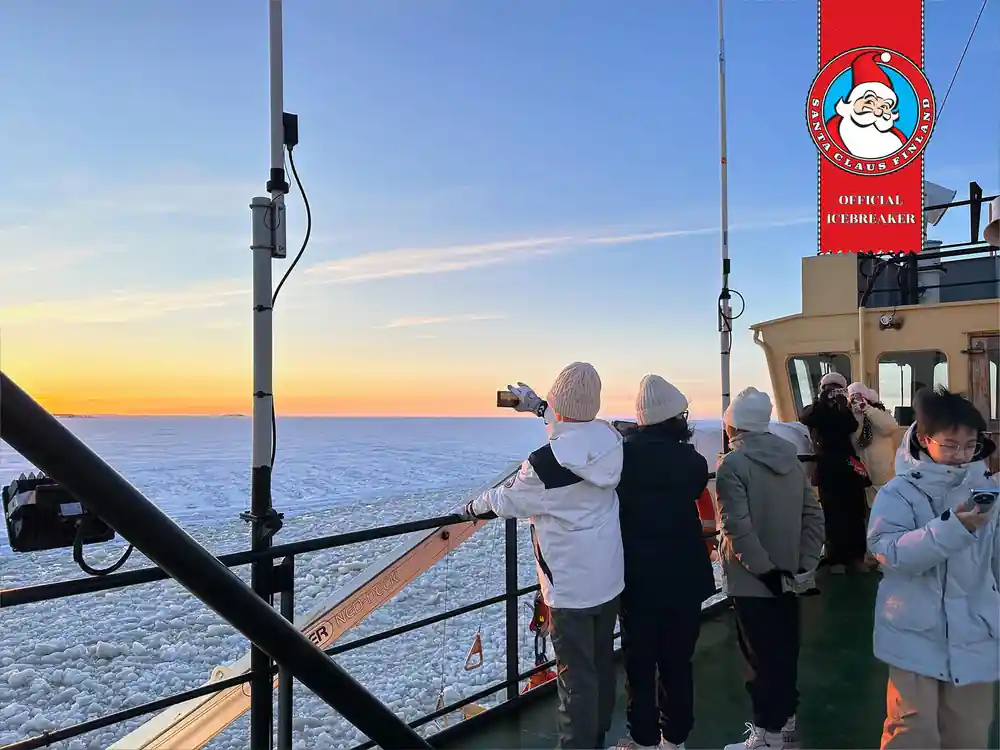
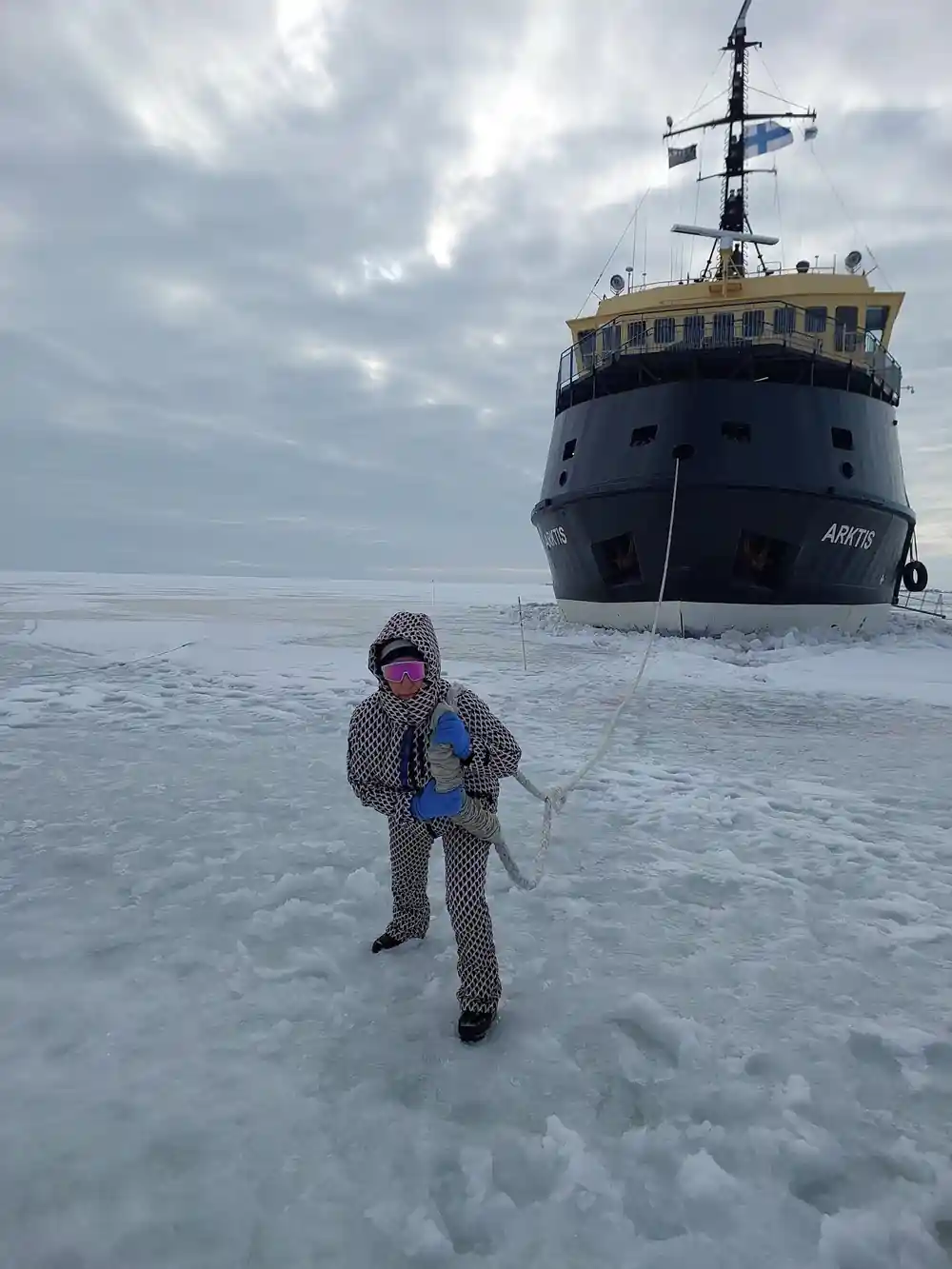
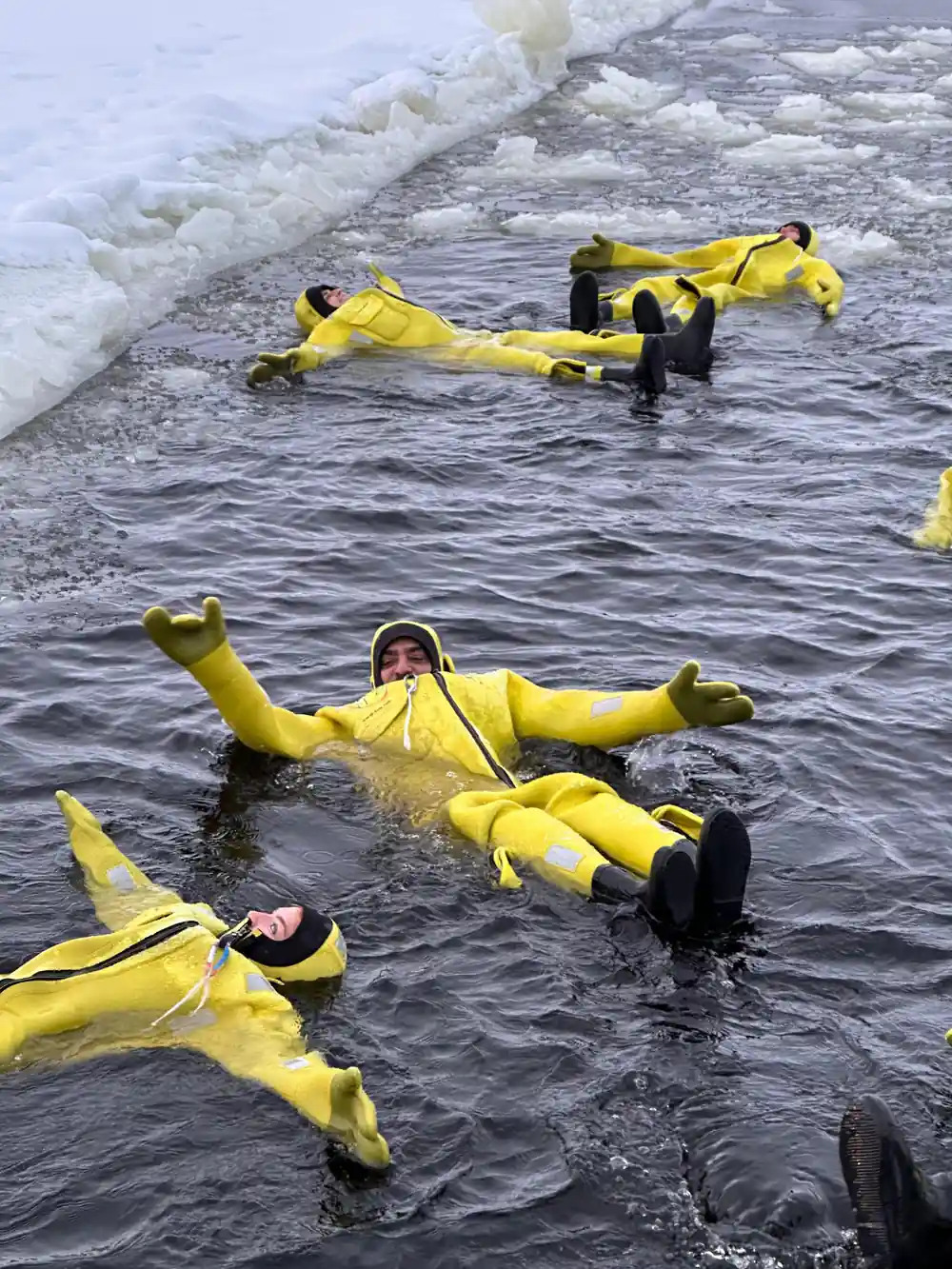
What it does have is two attractions that between them are unlike anything else in Finland, and both of them are consequences of the same physical fact: the sea here freezes solid every winter.
It is also, in a small way, an antidote. A week of Lapland tourism can start to feel curated, with every experience arranged and every hut heated, and an hour in a genuine industrial port with cranes and ice and nobody performing anything is a useful corrective to that.
The harbour
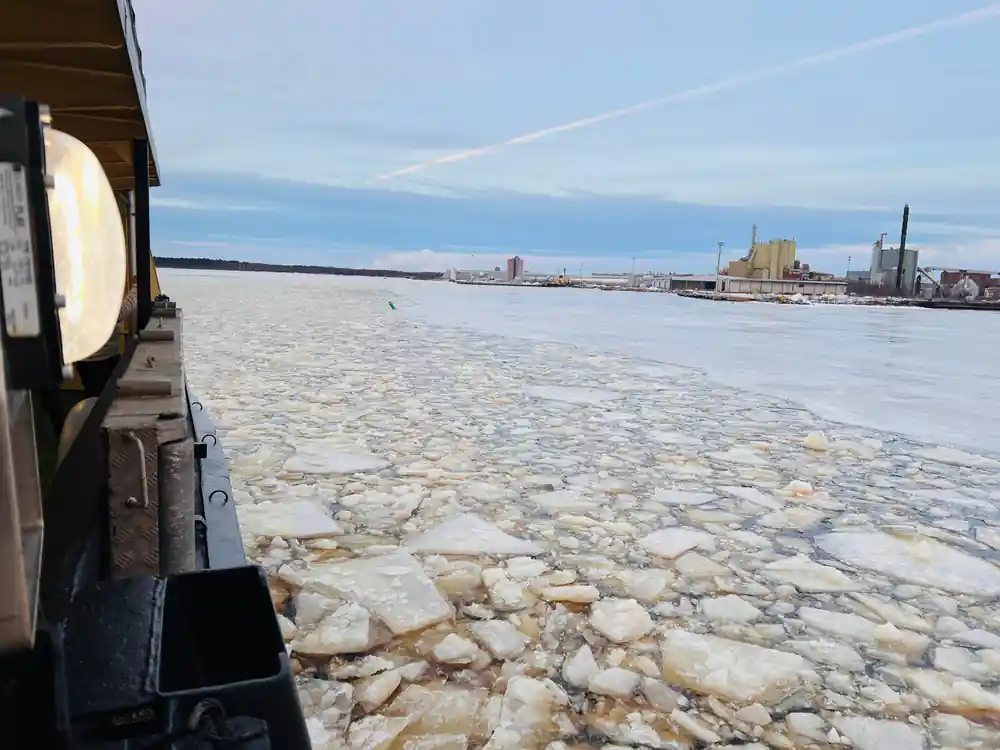
A commercial port that operates through the winter because icebreakers keep it open. Standing on the quay you can see the whole logic of the place at once: the cranes, the ice, the ships, and the reason a country would maintain a specialist fleet.
It is not pretty in the conventional sense and it is genuinely interesting, particularly if you have any appetite for how things actually work.
The SnowCastle stands beside it, which is a juxtaposition that never quite stops being funny.
Staying overnight
Worth considering if the ten-hour day from Rovaniemi puts you off. Staying in Kemi removes four hours of coach and lets you take the cruise at a civilised hour.
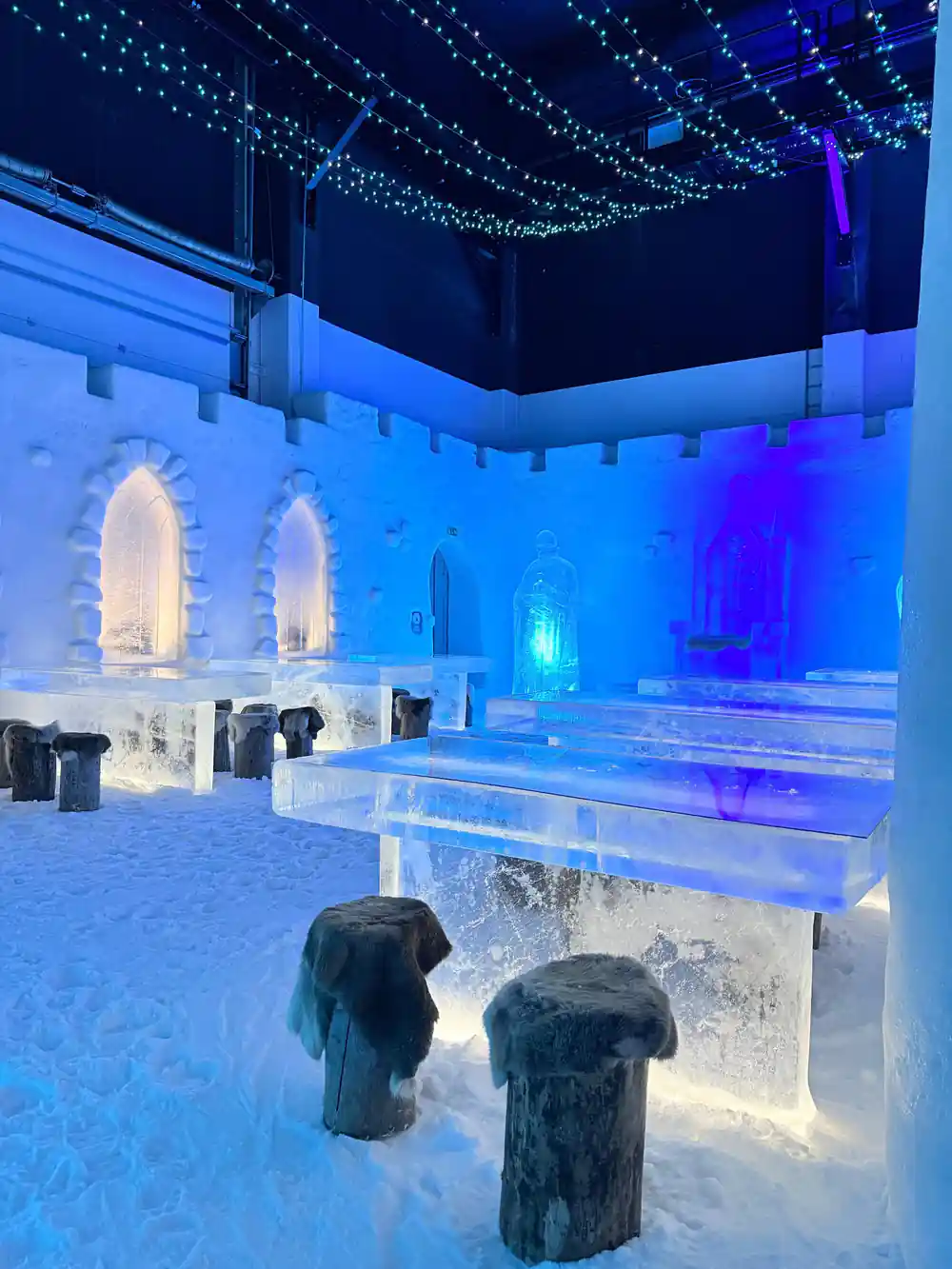
The SnowCastle contains an ice hotel, for the traveller who wants to sleep at a temperature below freezing on a bed of ice with a very good sleeping bag. There is also ordinary accommodation in the town for those who do not.
The trade is that Kemi has considerably less to do in the evening than Rovaniemi, and no aurora tourism infrastructure to speak of.
The practical argument for staying is timing rather than money. Cruises leave at fixed hours, and being twenty minutes from the quay rather than two hours means you can take a departure that suits the light rather than one that suits a coach schedule. In December, when there are barely four hours of daylight, that is a real advantage.
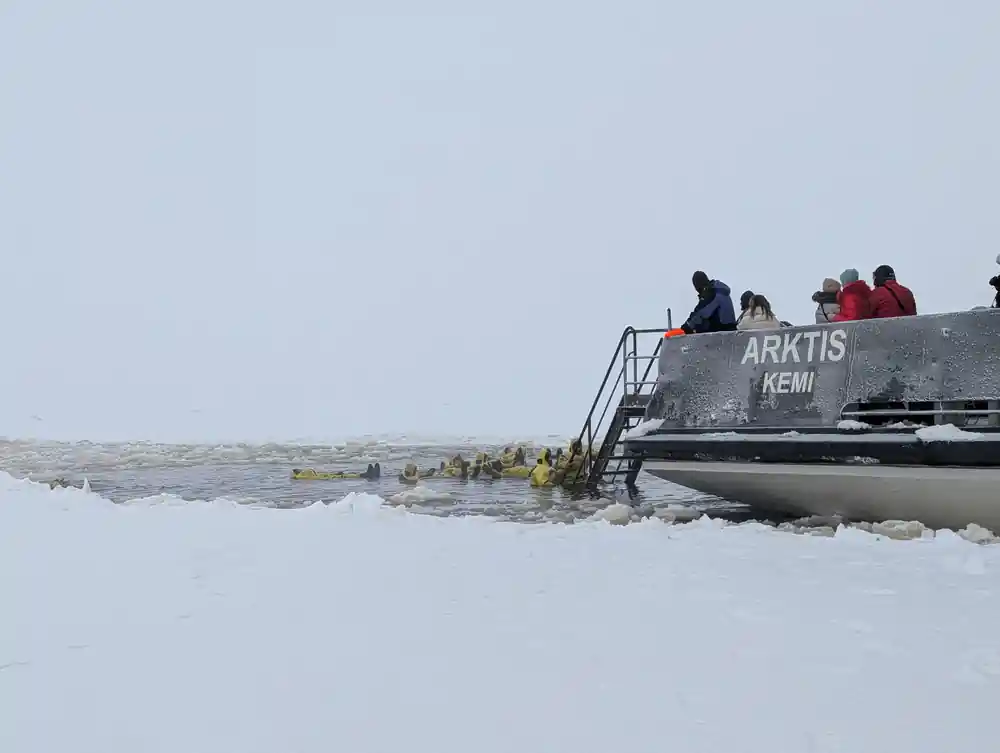
The working harbour under snow, cranes above the ice
Getting here independently
Kemi is on the main railway line, which surprises people. Trains run from Helsinki and from the south, and it is also connected northwards to Rovaniemi.
By road it is straightforward: a main highway follows the coast and another runs inland to Rovaniemi. Kemi-Tornio airport is nearby, though most international visitors will arrive through Rovaniemi or Oulu.
For anyone touring Finnish Lapland by car, Kemi is an easy addition rather than a detour.
How it compares with Rovaniemi
Rovaniemi is the Lapland tourism capital: the airport, the hotels, Santa, the aurora tours, the husky kennels. Kemi is a port with a snow castle and an icebreaker.
They are not competing for the same visit. Most people stay in Rovaniemi and come here for a day, which is exactly what this tour is designed for.
If you want a quieter and more ordinary Finnish town with two extraordinary things in it, Kemi is that. If you want a base with everything on tap, it is not.
There is a third option that suits some people better than either: base yourself in Rovaniemi for the aurora and the huskies, and give Kemi its own night in the middle of the week. It breaks a long trip up, it puts the icebreaker at a sensible hour, and it means the four-hour coach day never has to happen at all.
The season
Winter, and specifically the part of it when the sea is frozen: broadly from around the turn of the year into April, with the middle of that the most reliable.
Outside it, Kemi in summer is a pleasant enough coastal town with long light and no snow castle and no icebreaker cruise, which is to say without the two reasons a visitor is likely to come.
The season for both attractions is tied to the ice, so they open and close together.
What else is here
A gemstone gallery with a considerable collection, which is attached to the SnowCastle operation. A church, a small museum, and the ordinary amenities of a Finnish town.
And the coast itself, which in winter is a frozen plain rather than a shoreline and is worth walking along even without a ship involved.
Nobody comes to Kemi for a week. Plenty of people are glad they came for a day.
If you do have a spare hour, the walk out along the shore is the thing to do. In midwinter the sea is simply gone, replaced by a white plain that continues to the horizon with no line where the land stops, and standing at that edge explains the whole town better than any museum could.
A working port with a frozen sea and two very good reasons to come
from US$473Reserve now & pay later