









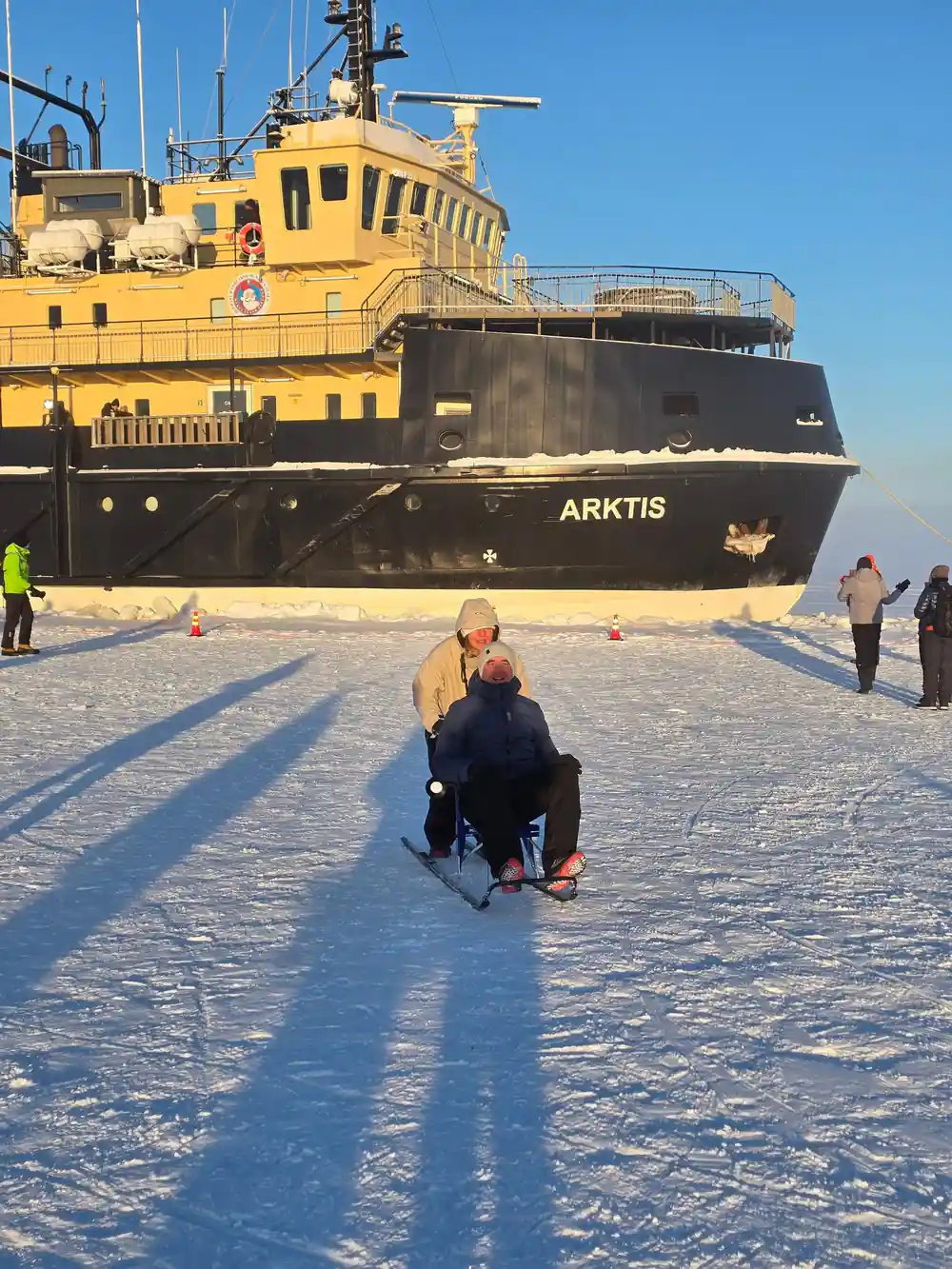
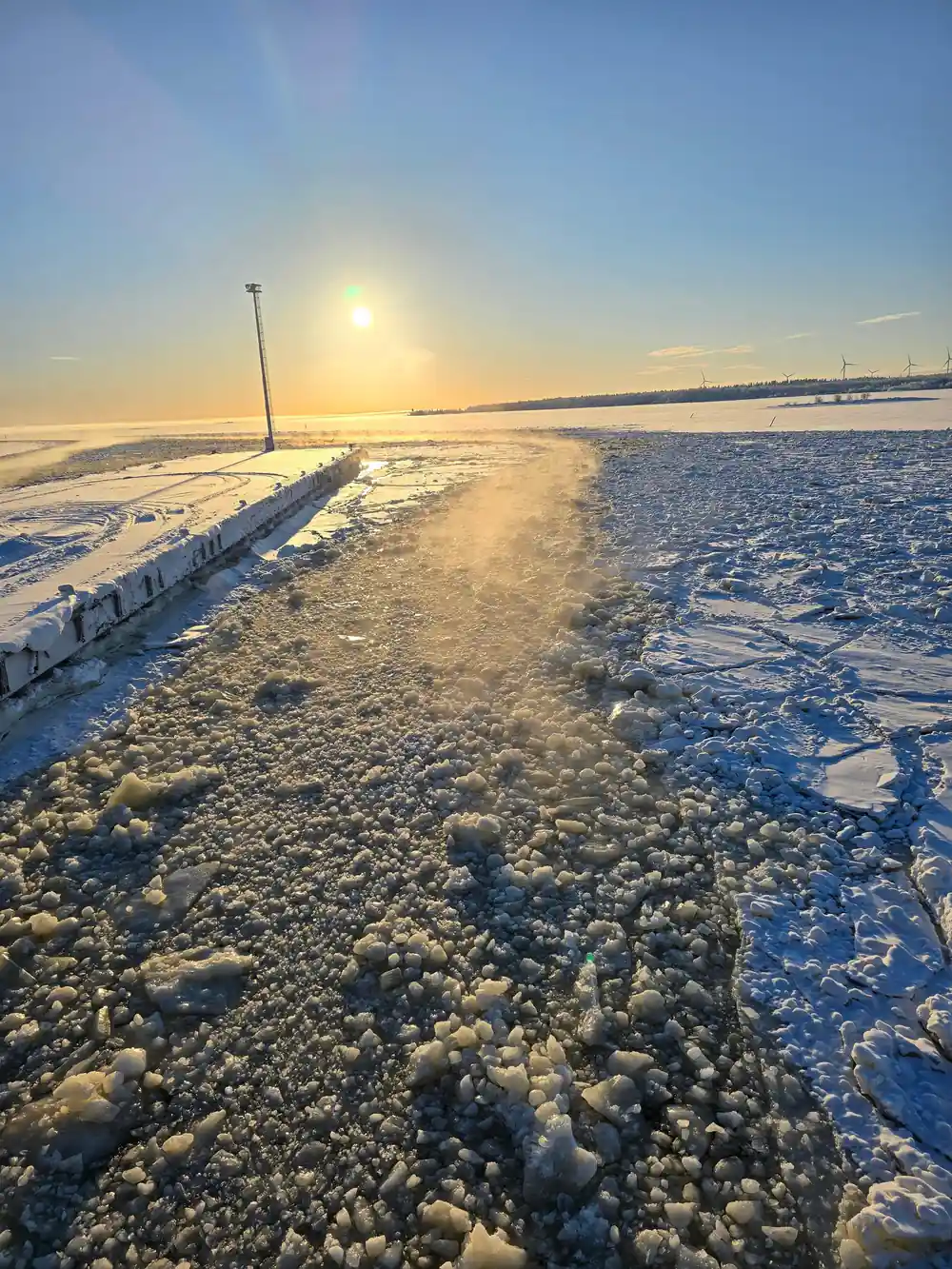
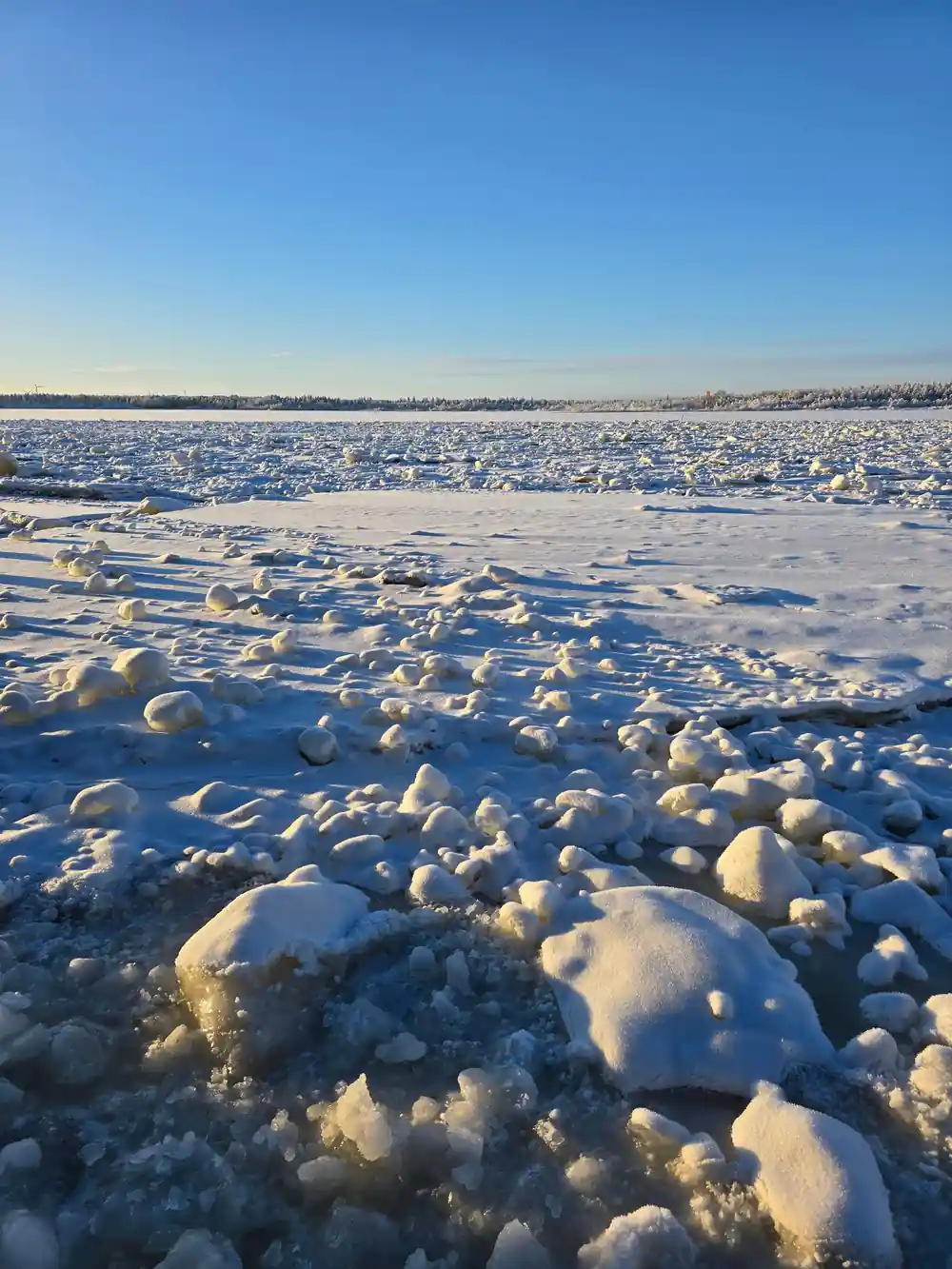
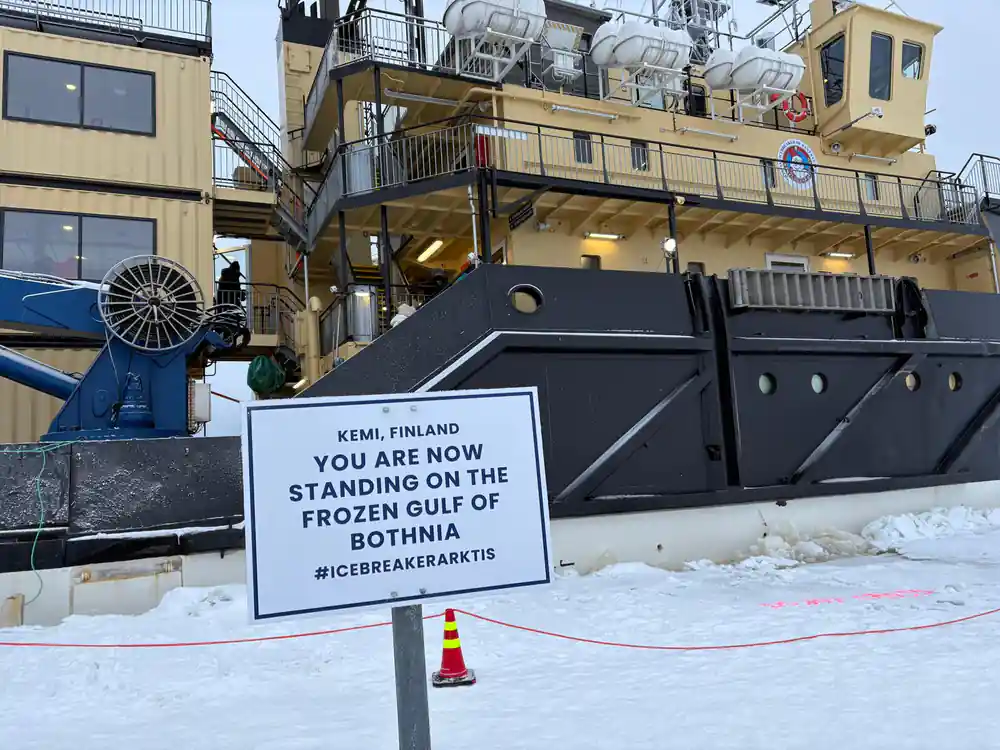
Where this actually happens
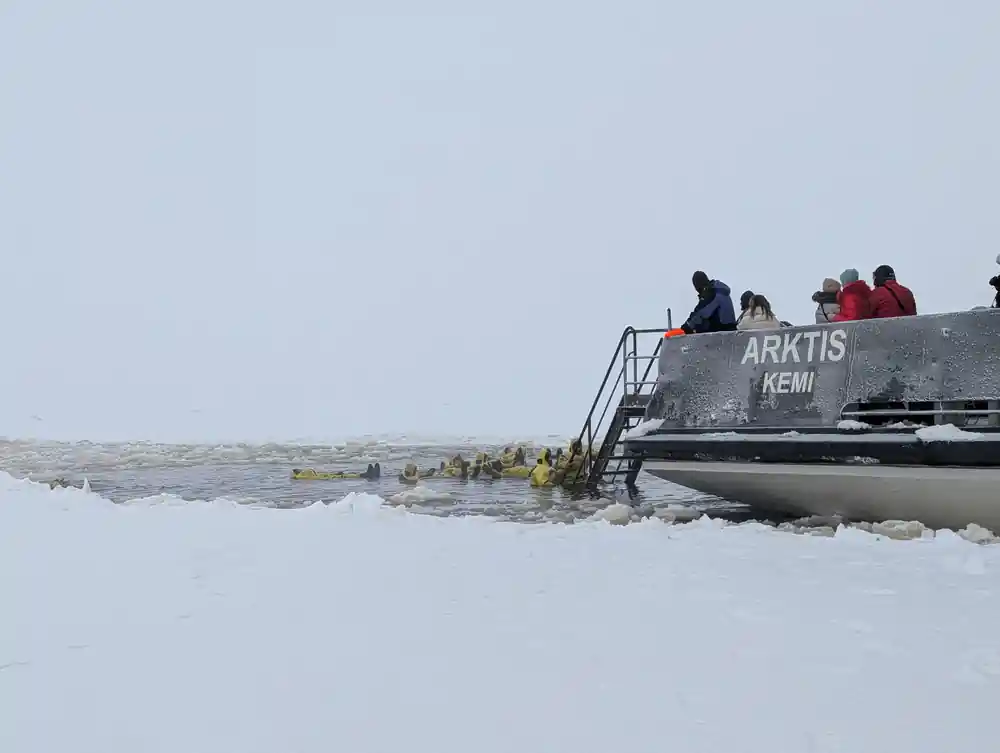
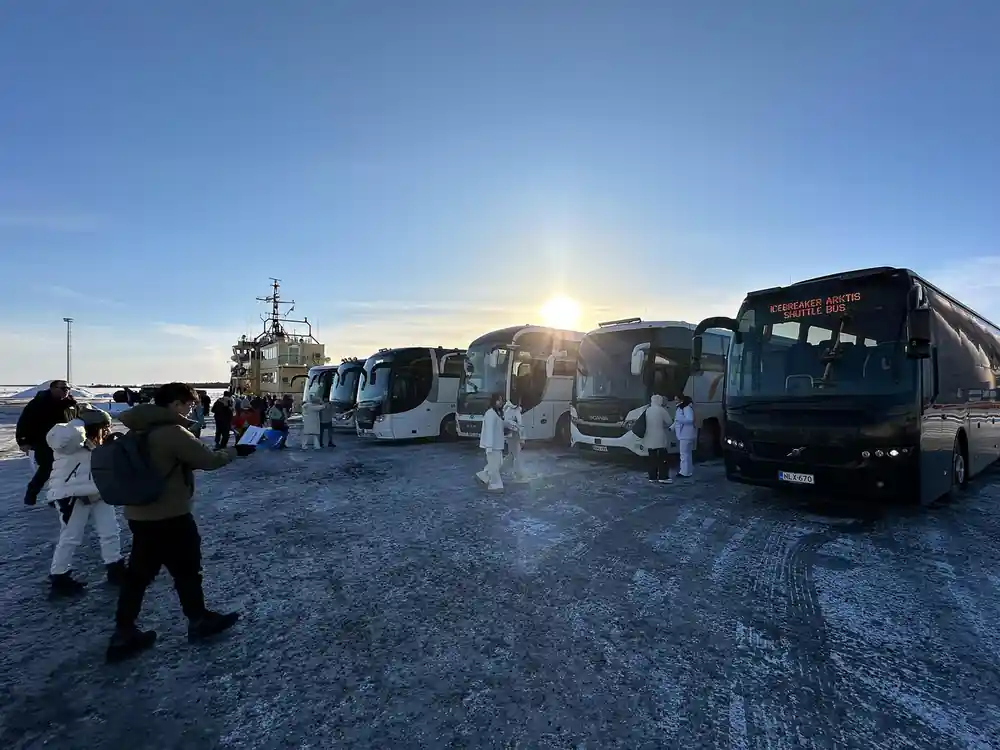
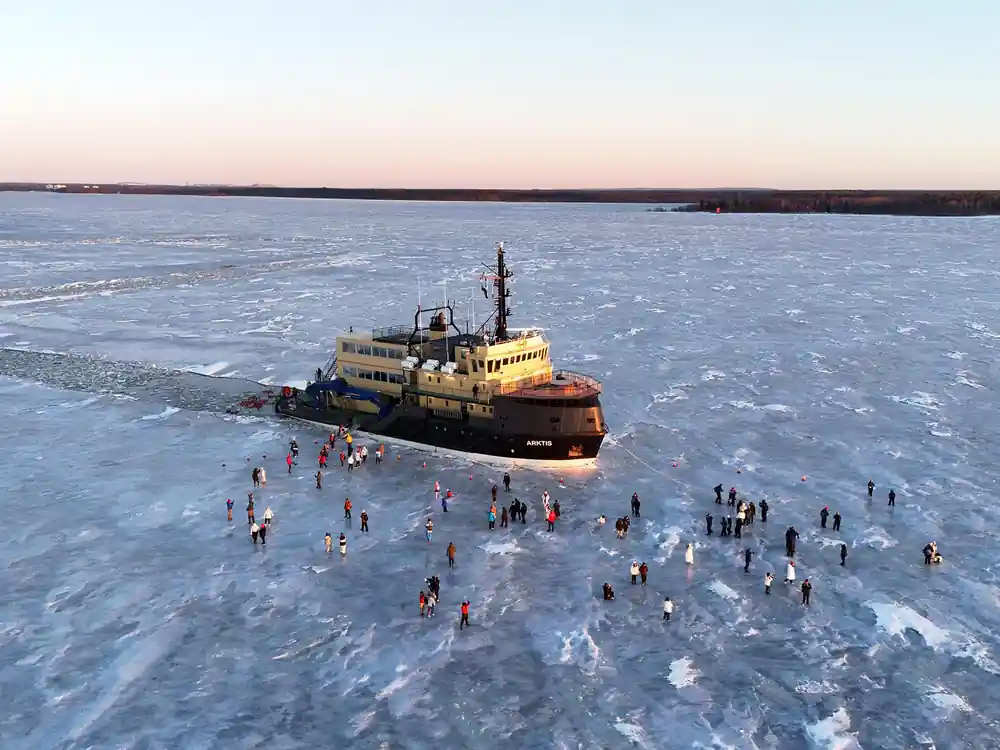
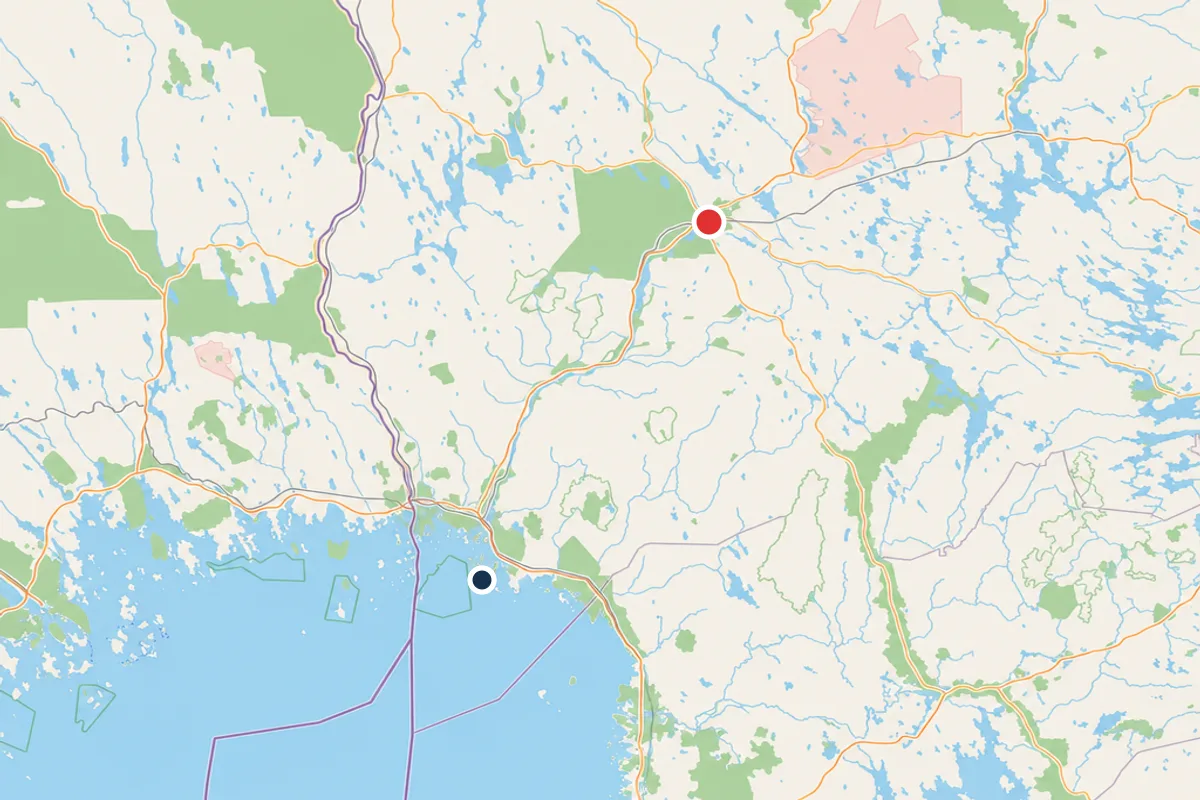
The tour is sold from Rovaniemi and the ship is not there. Arktis sails from Kemi, a port town on the Gulf of Bothnia about a hundred and fifteen kilometres south, and the booking includes the coach in both directions.
That single fact shapes everything about the day. Ten hours door to door sounds like a lot for a three-hour cruise until you understand that roughly four of them are on a road. It is not padding and it is not badly organised: it is simply how far the coast is from the Arctic Circle town most visitors are staying in.
The alternative is to base yourself in Kemi and join at the harbour, which some people do. For most visitors, whose week is built around Rovaniemi, the coach is the sensible answer and the ride south through Lapland forest is not a hardship.
A sea that freezes solid
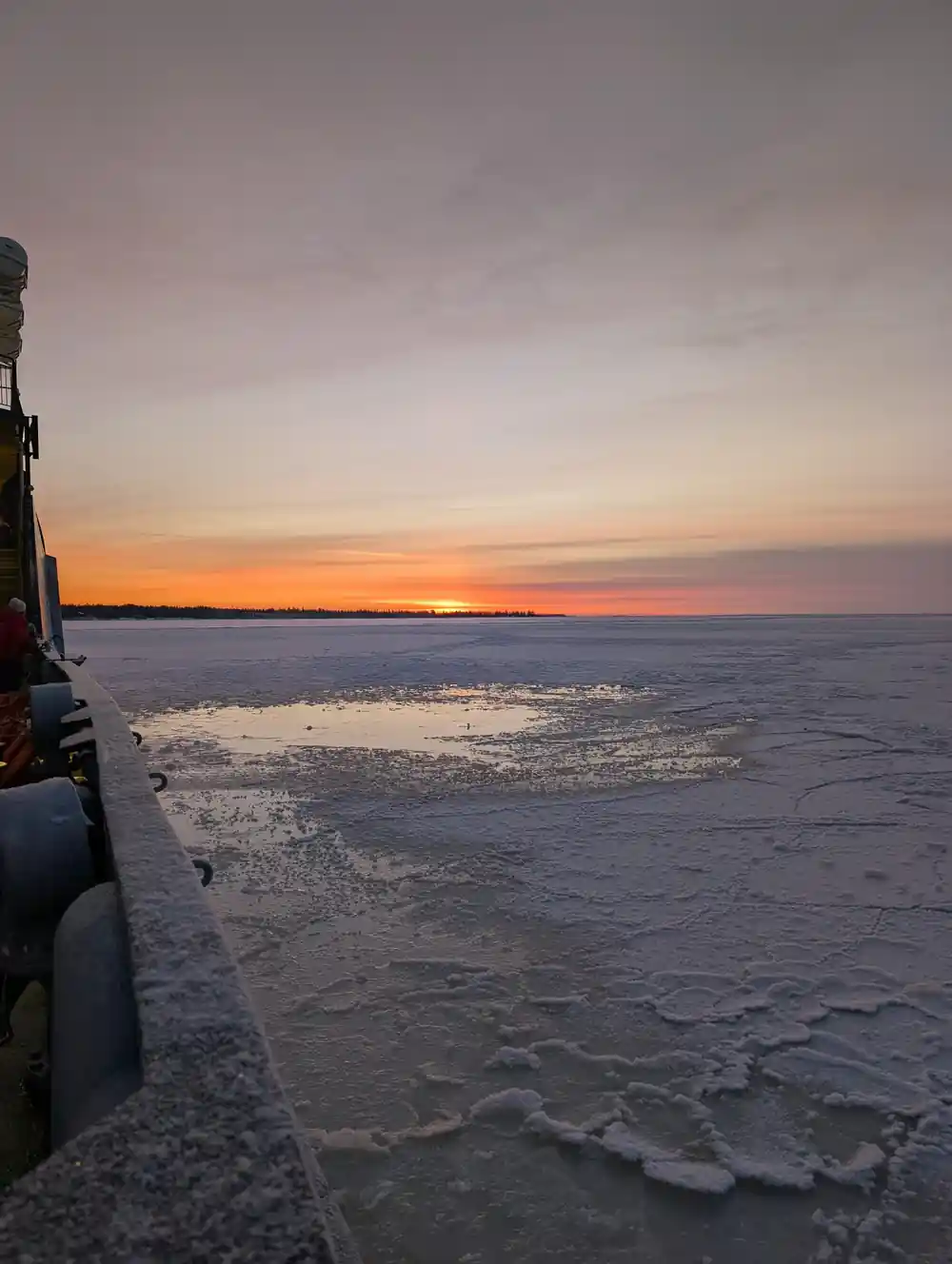
The reason an icebreaker cruise exists here at all is a quirk of chemistry. The Baltic is brackish rather than fully salt, fed by an enormous number of rivers and connected to the ocean only through narrow Danish straits, and at its northern end the water is very nearly fresh.
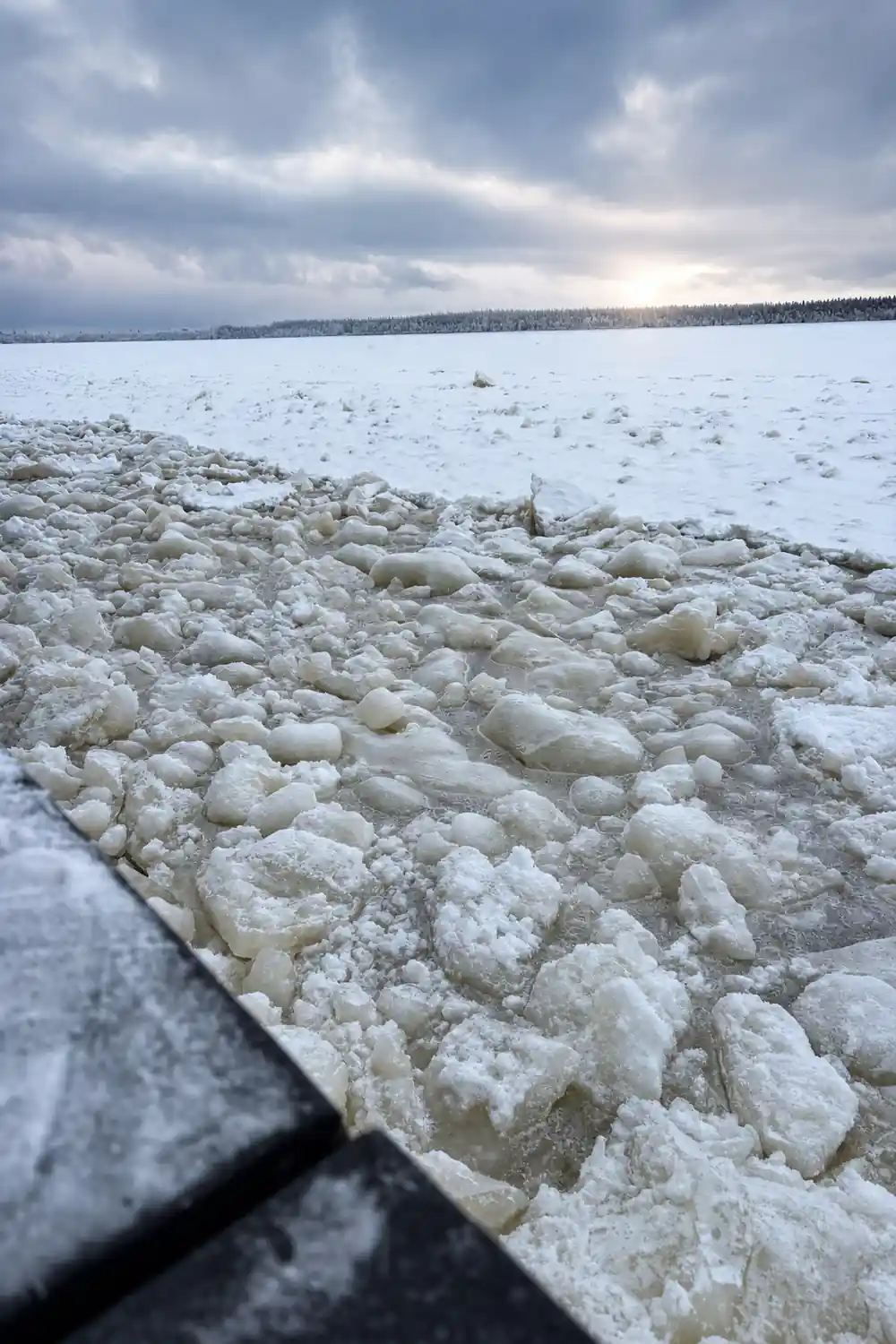
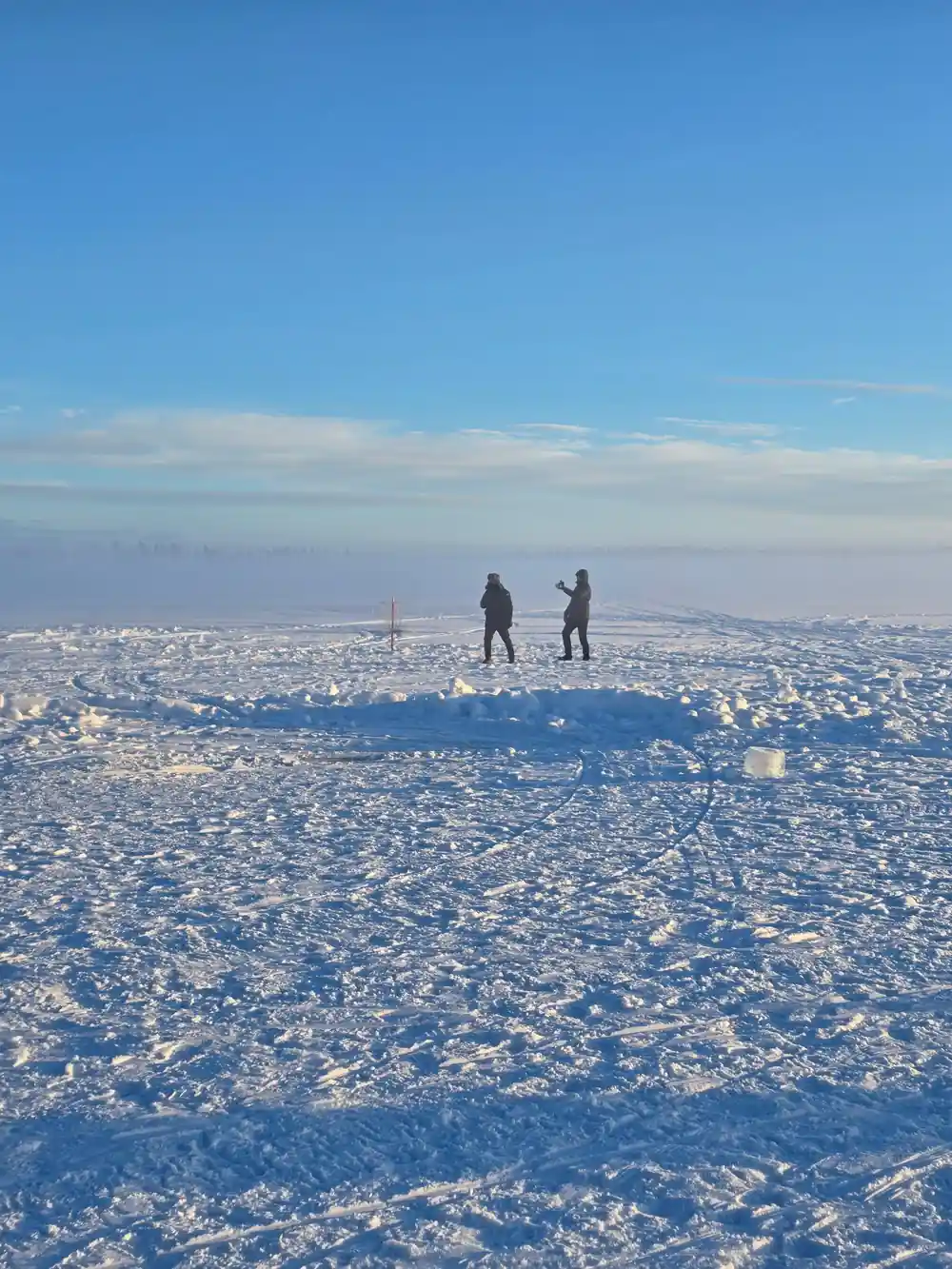
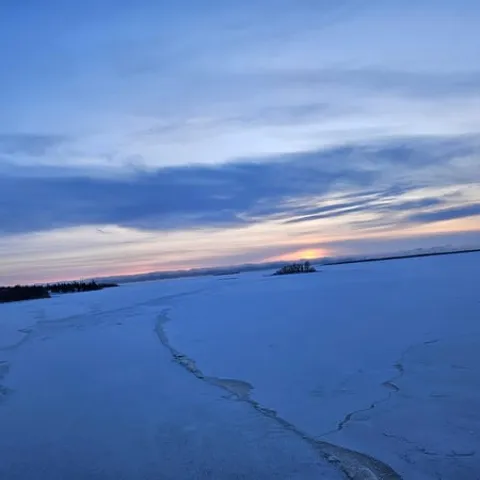
Fresh water freezes at zero. Ocean water does not freeze until around minus two, and disperses its cold downward as it does. The Bothnian Bay, being barely salt at all, behaves much more like a lake: it freezes over almost every winter, right across, and the ice can reach half a metre and more.
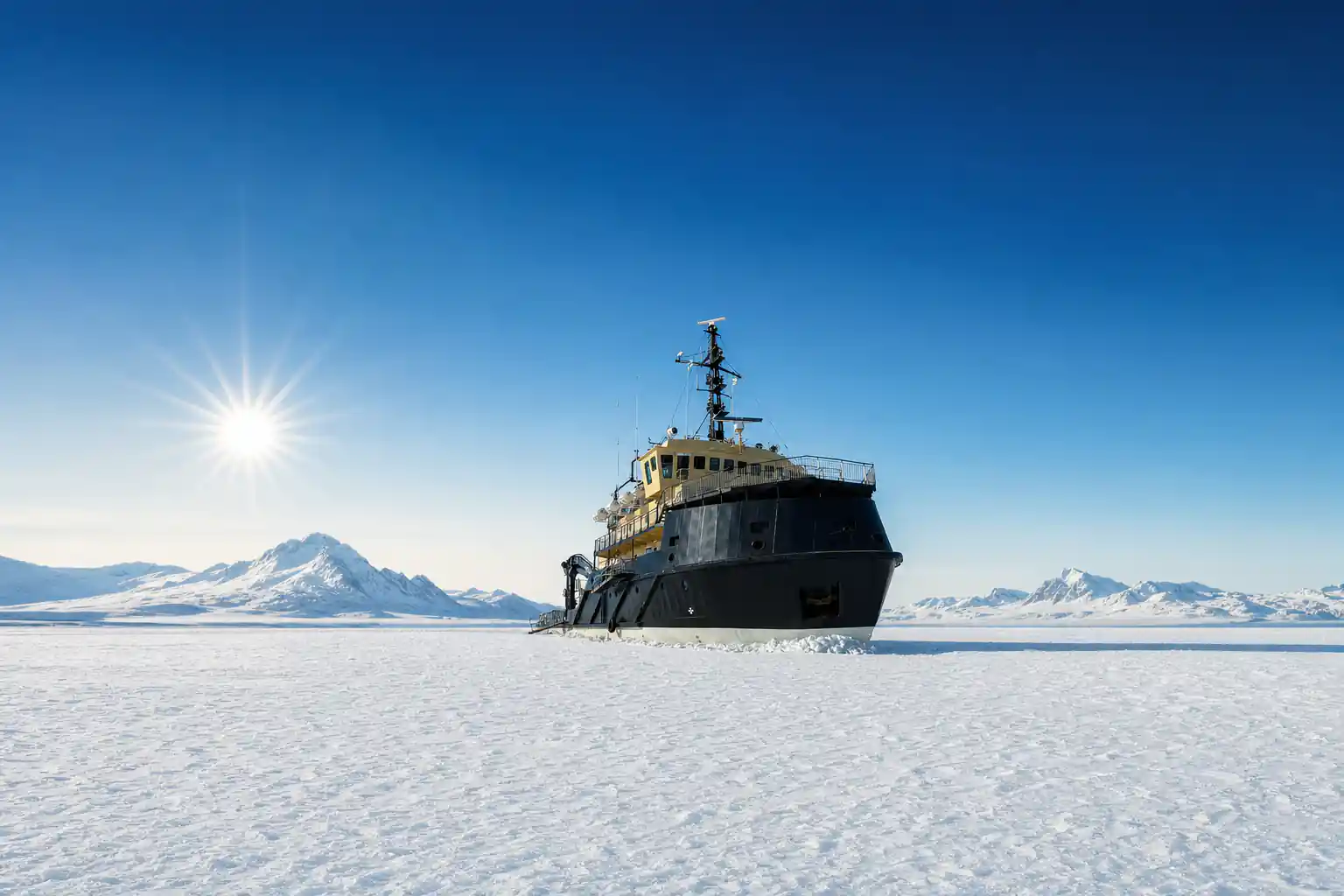
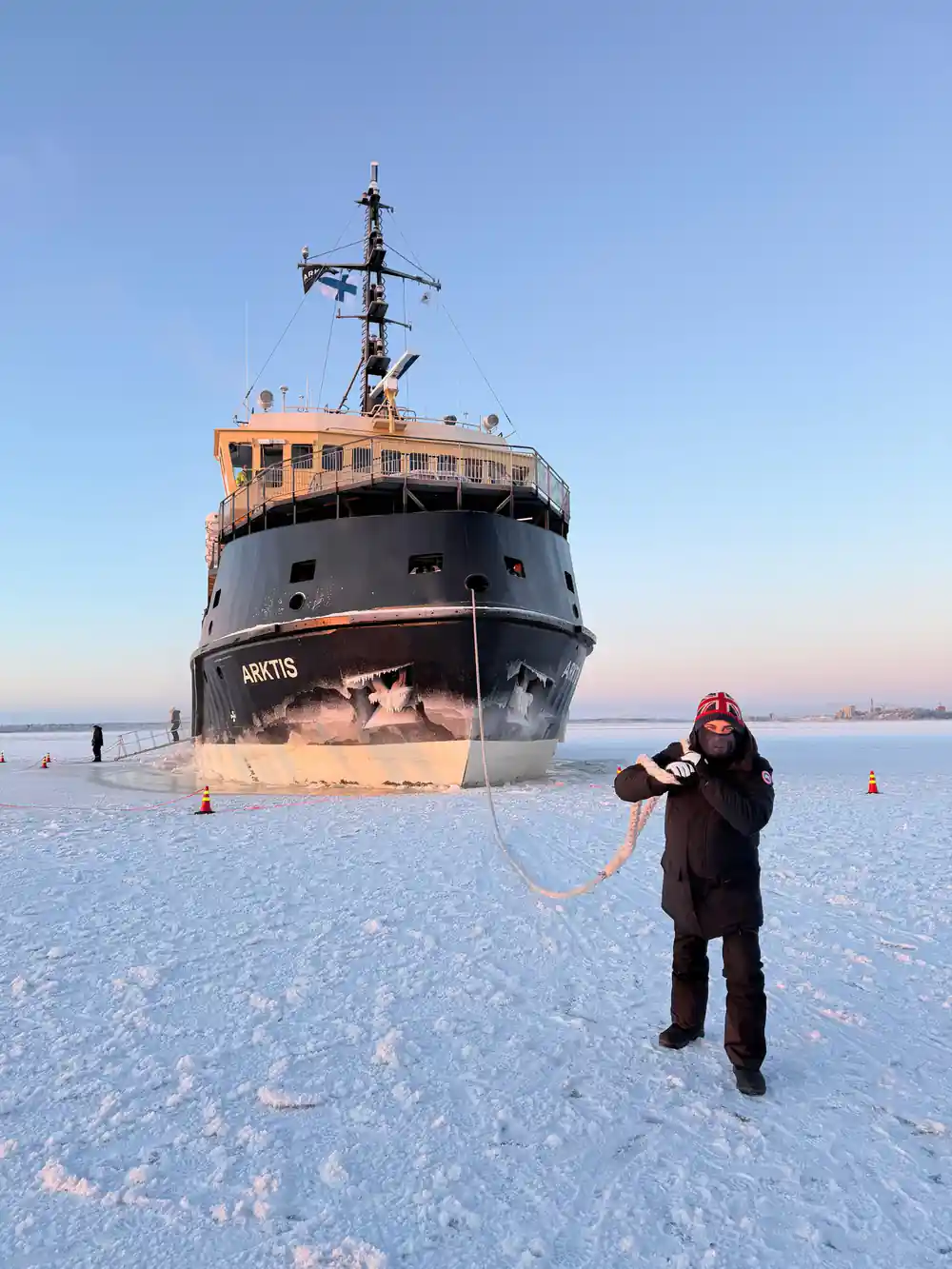
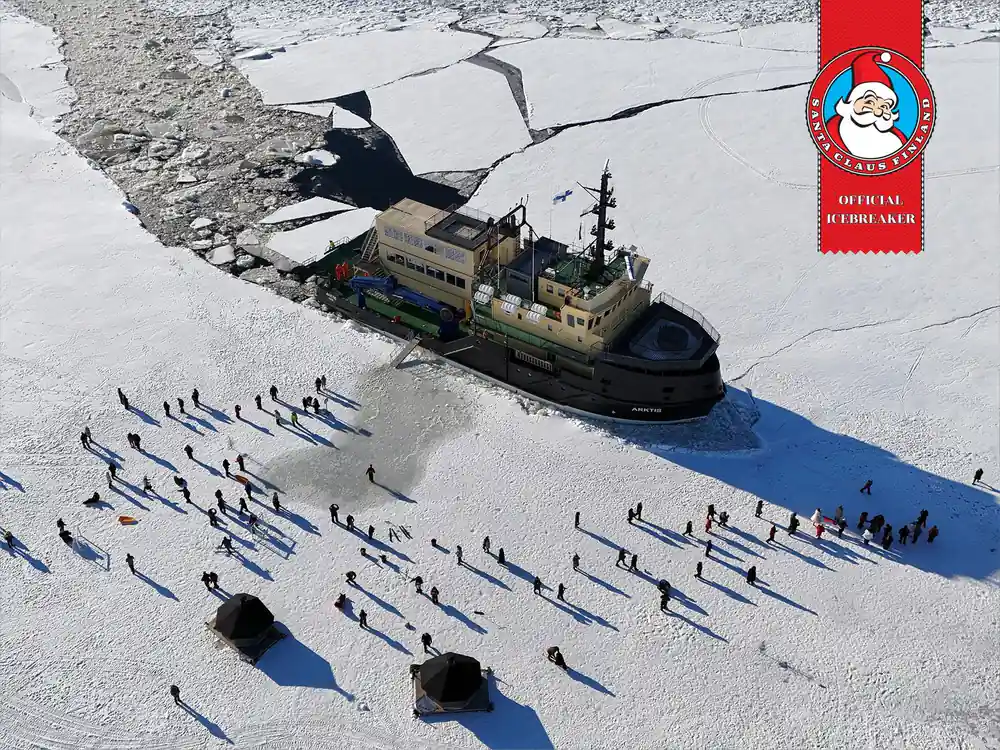
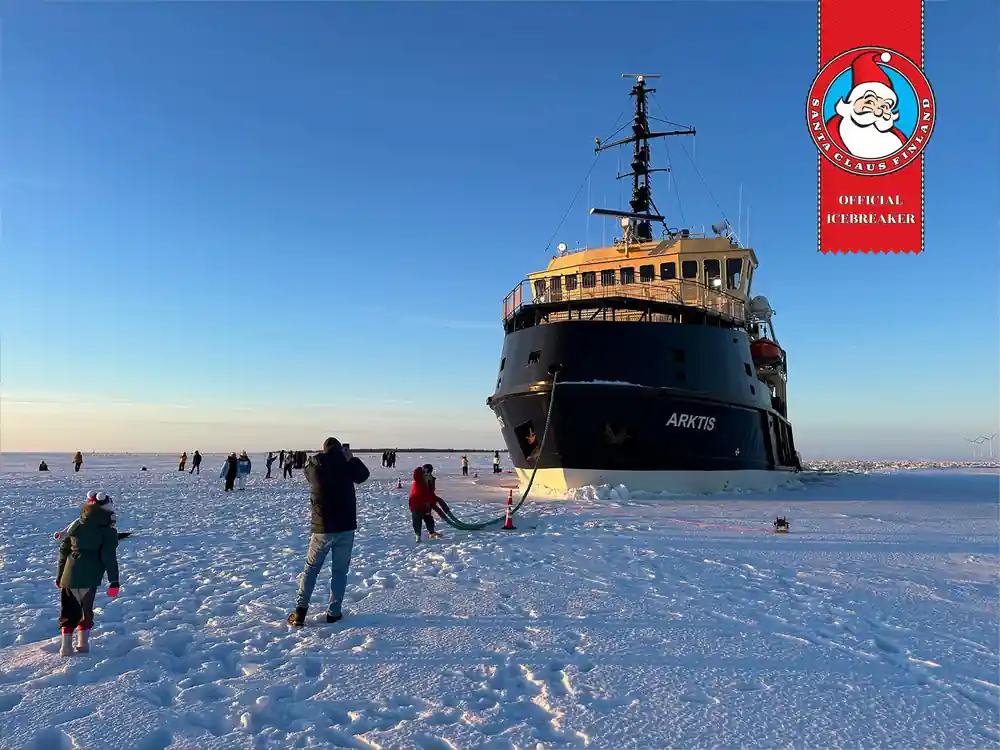
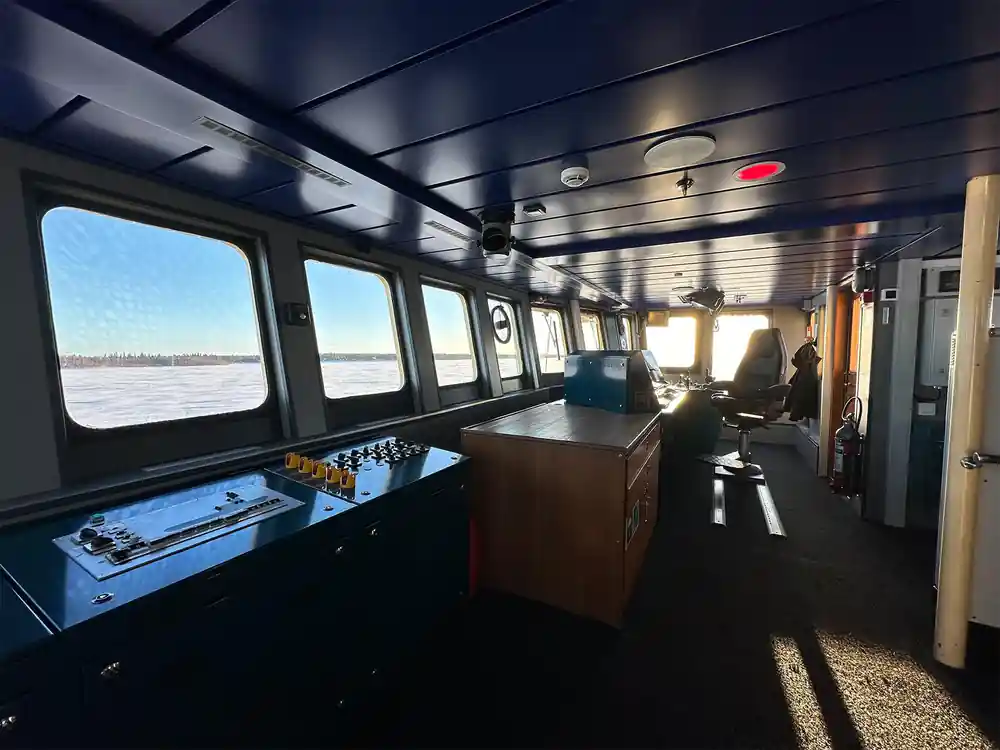
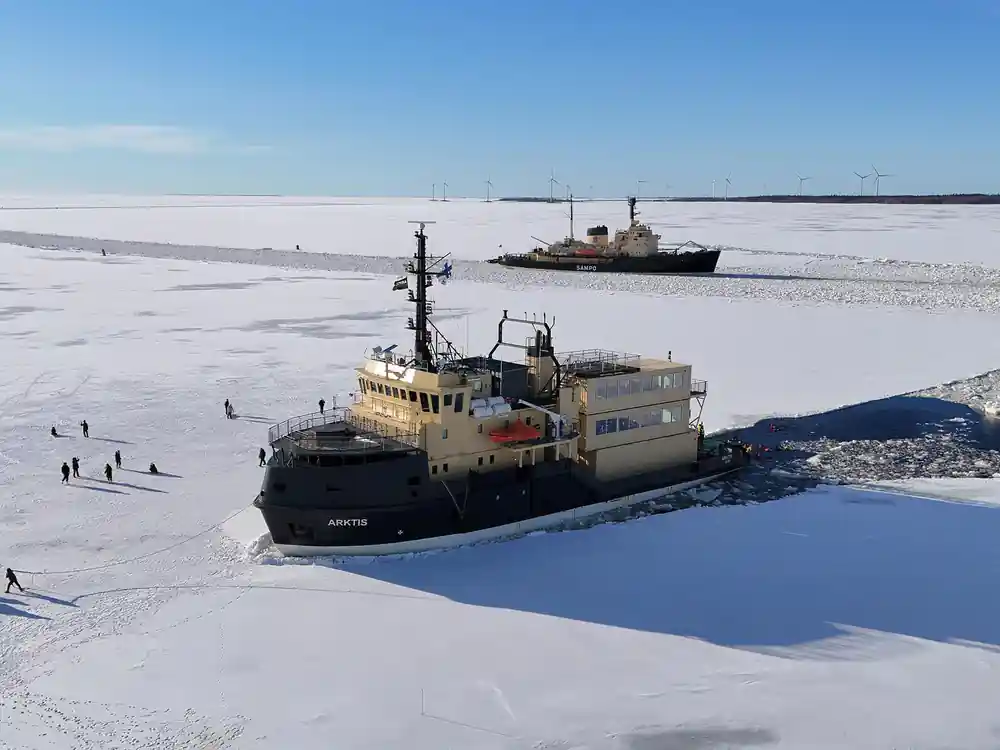
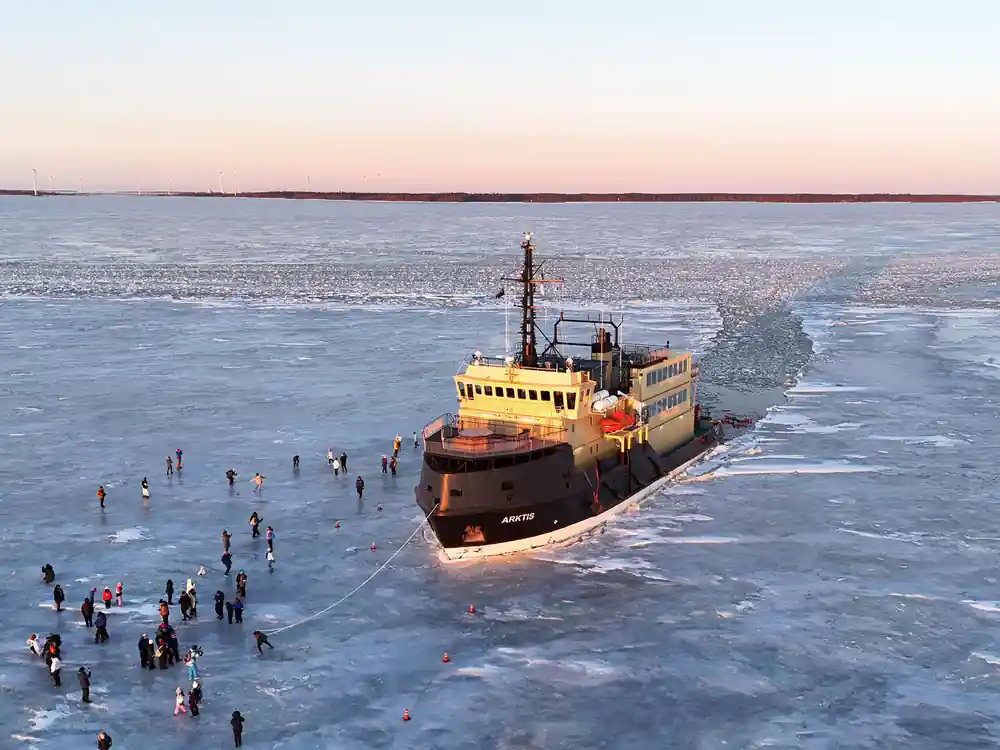
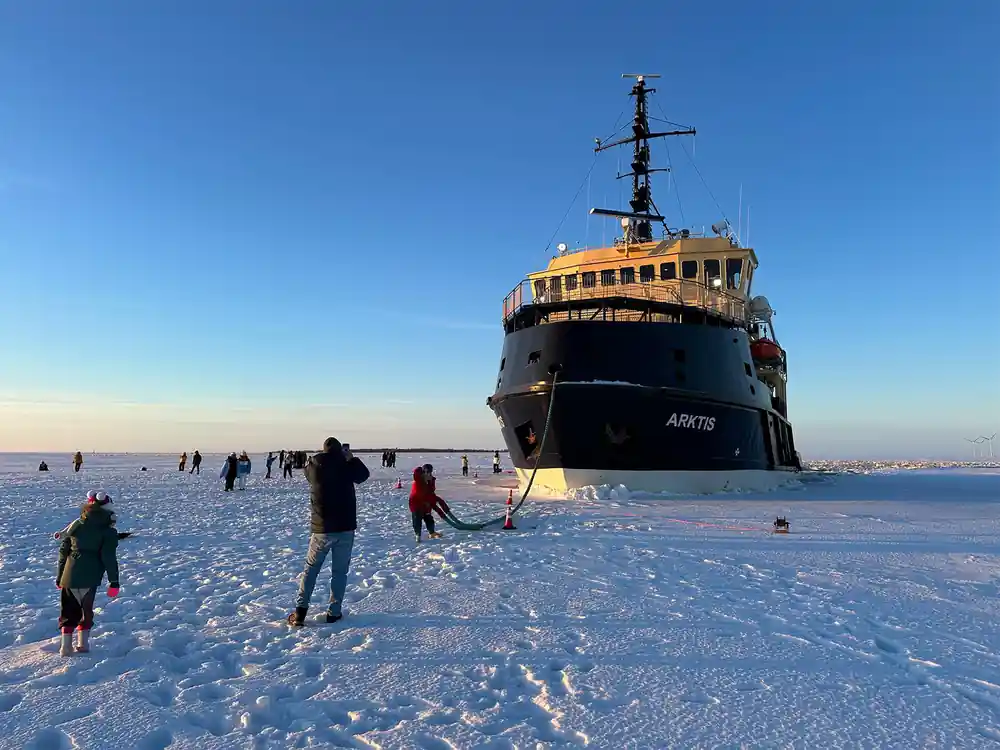
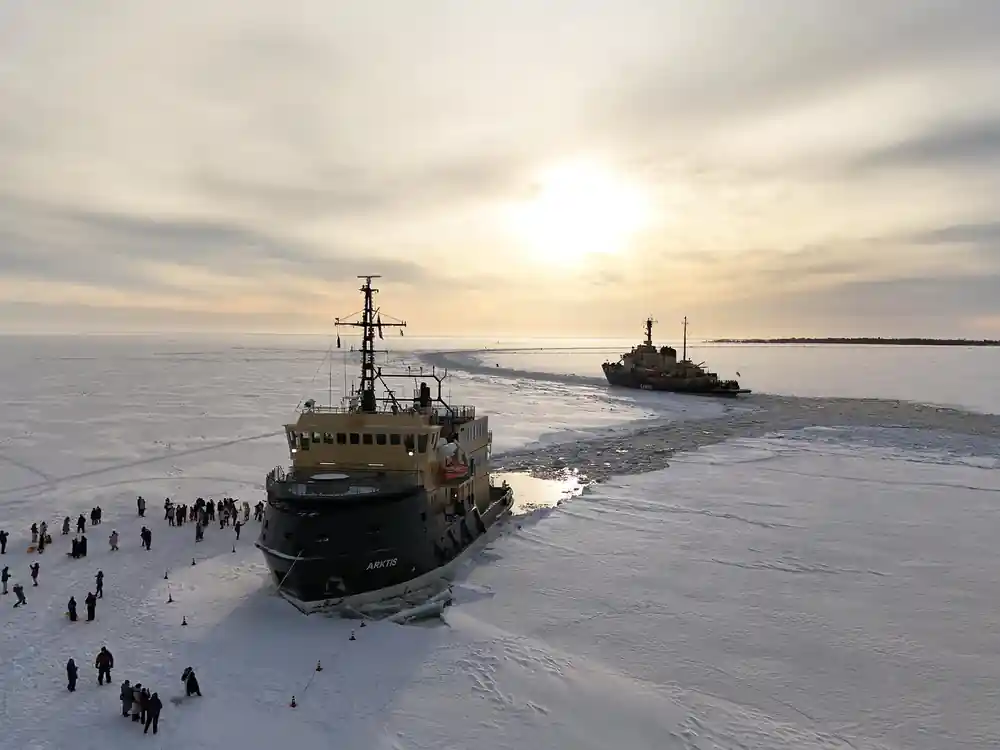
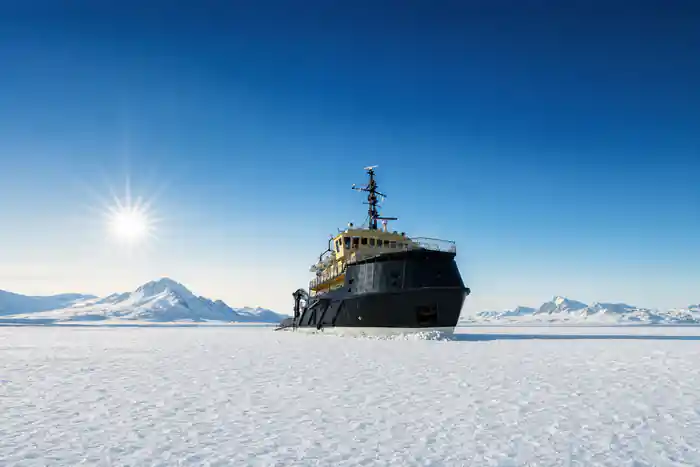
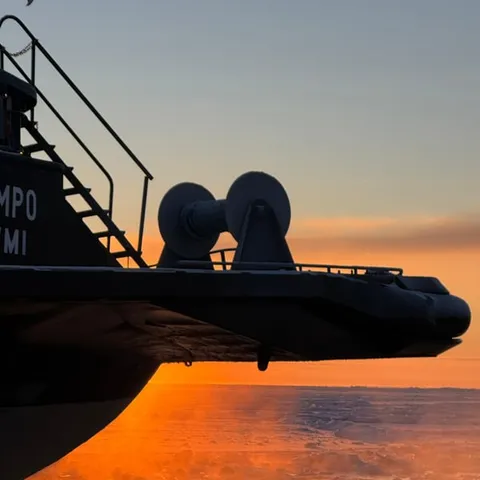
So Finland maintains a fleet of icebreakers, because the ports at the top of this sea would otherwise close for four months a year. Arktis is part of that world rather than a tourist attraction built to look like it.
How the ship breaks ice
Not by cutting. The most common assumption about an icebreaker is that it forces a channel through by pushing, and that is not what happens.
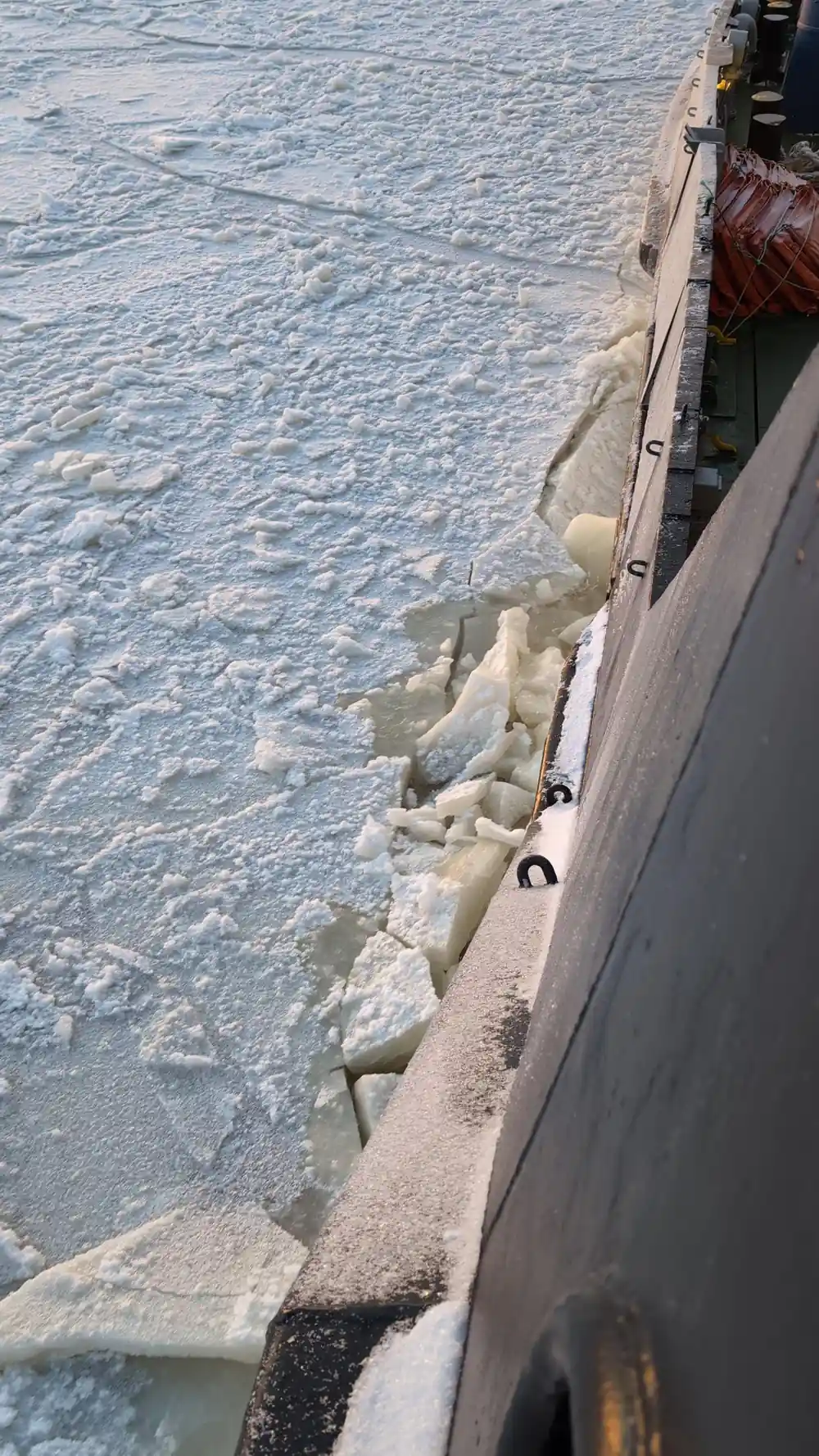
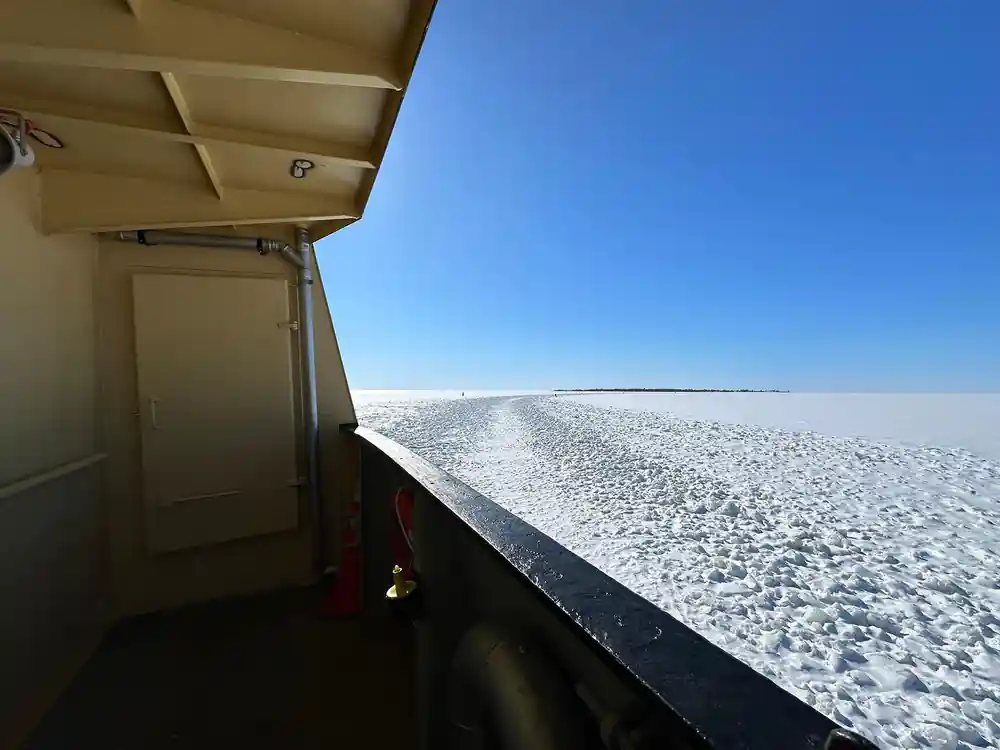
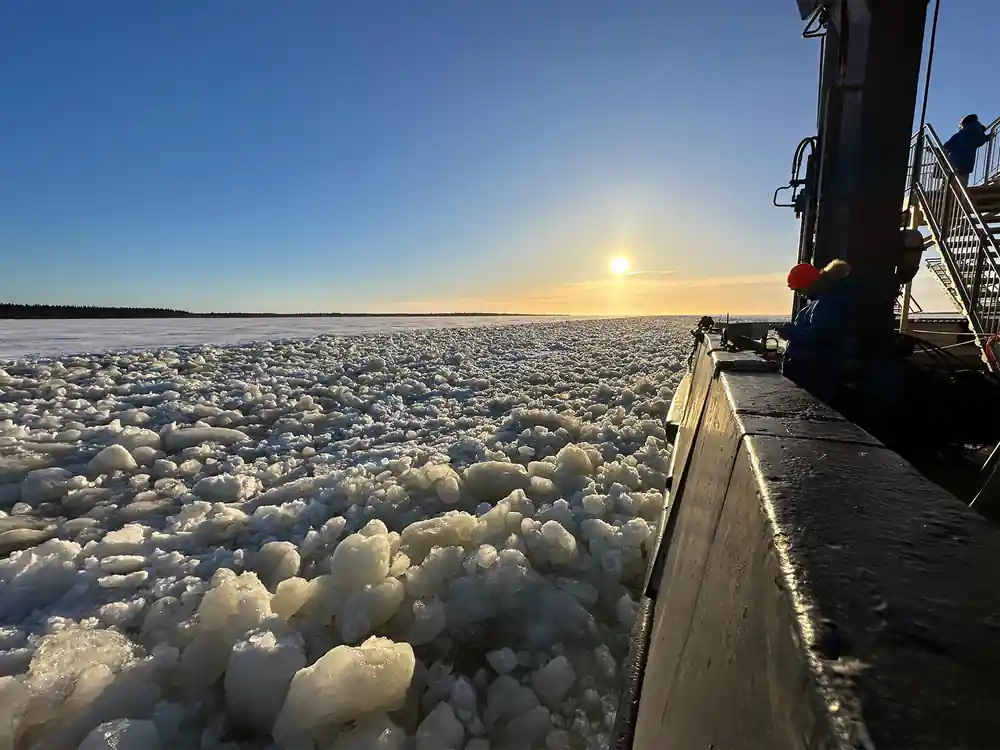
The bow is sloped so that the ship rides up onto the ice sheet rather than into it, and then the weight of the vessel breaks the ice downward beneath it. The hull is reinforced along the waterline and shaped so that the broken plates are pushed aside and down rather than gathering in front.
You feel it from inside. The ship lifts, there is a pause, and then it drops through with a noise that arrives through the deck rather than through the air. In heavier ice a vessel will back off and ram, repeatedly, which is exactly as dramatic as it sounds.
Ice floating, which is the part people remember
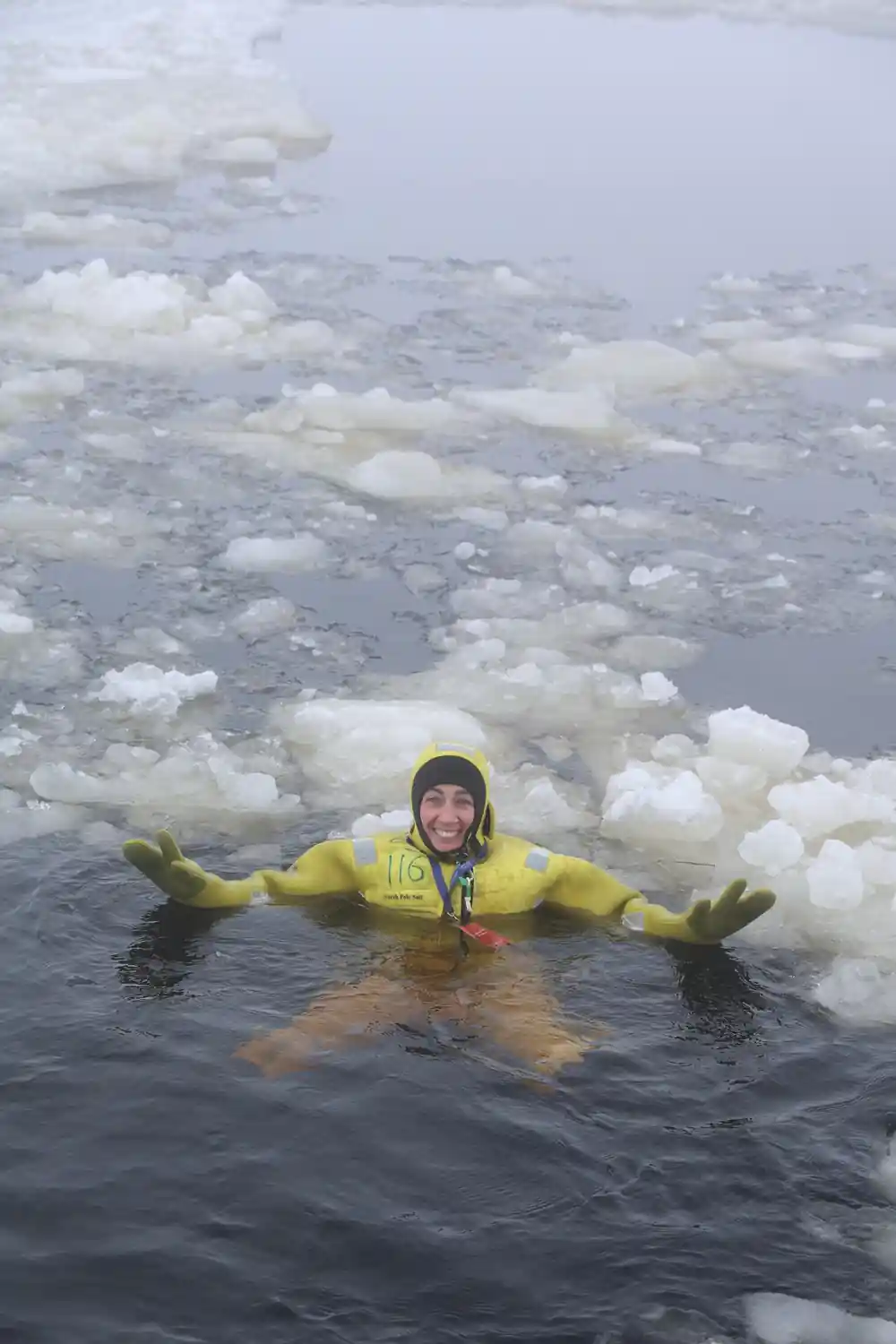
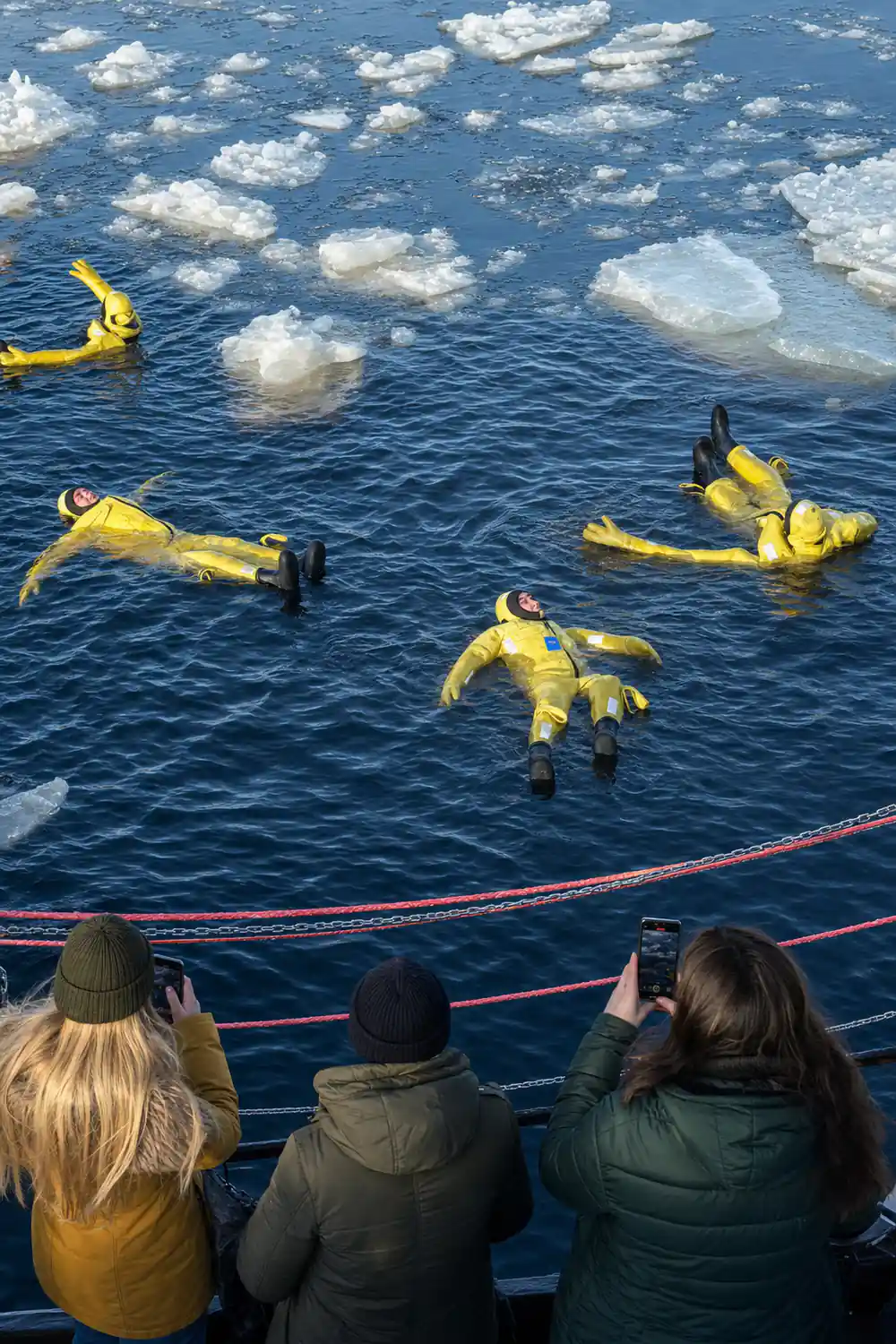
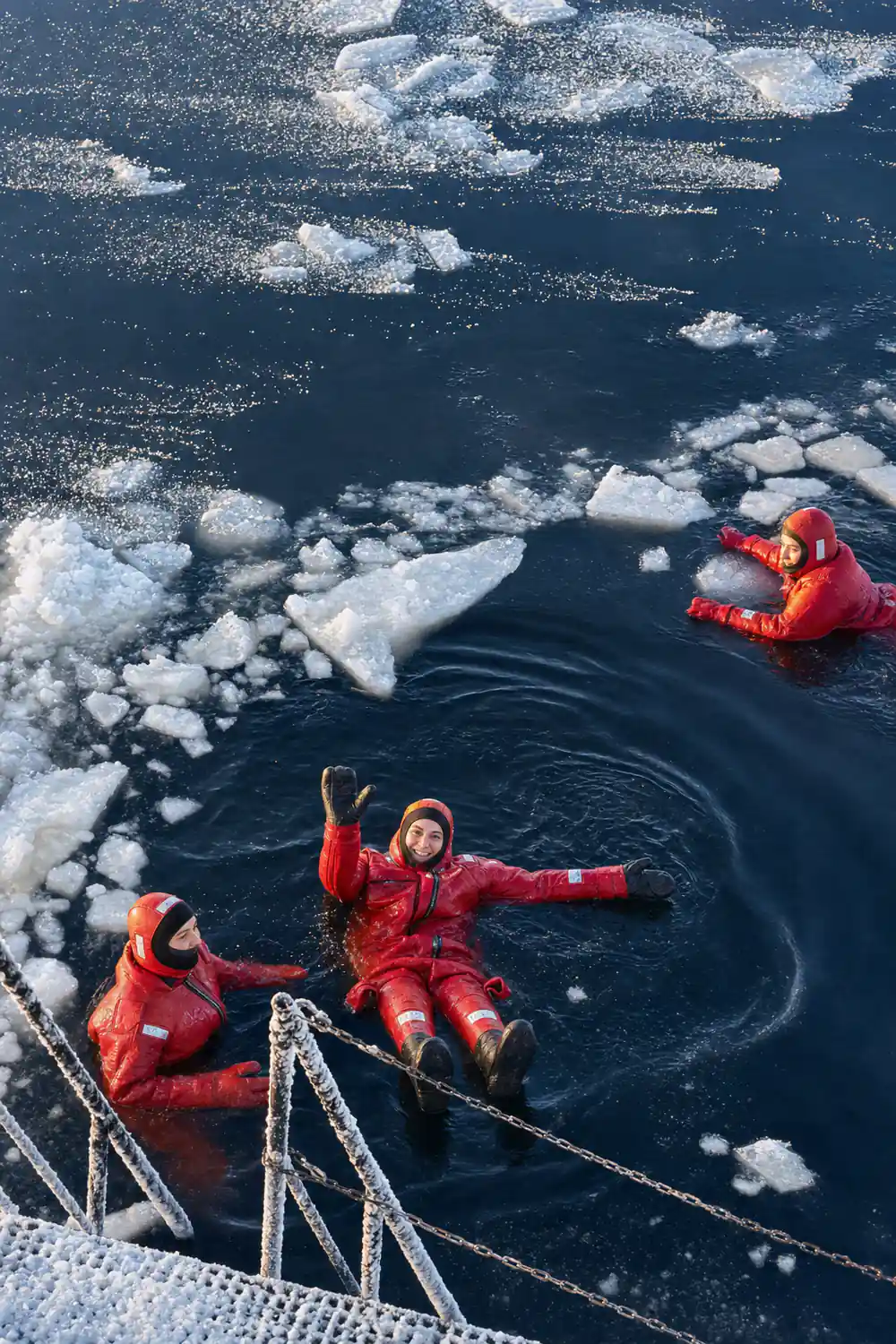
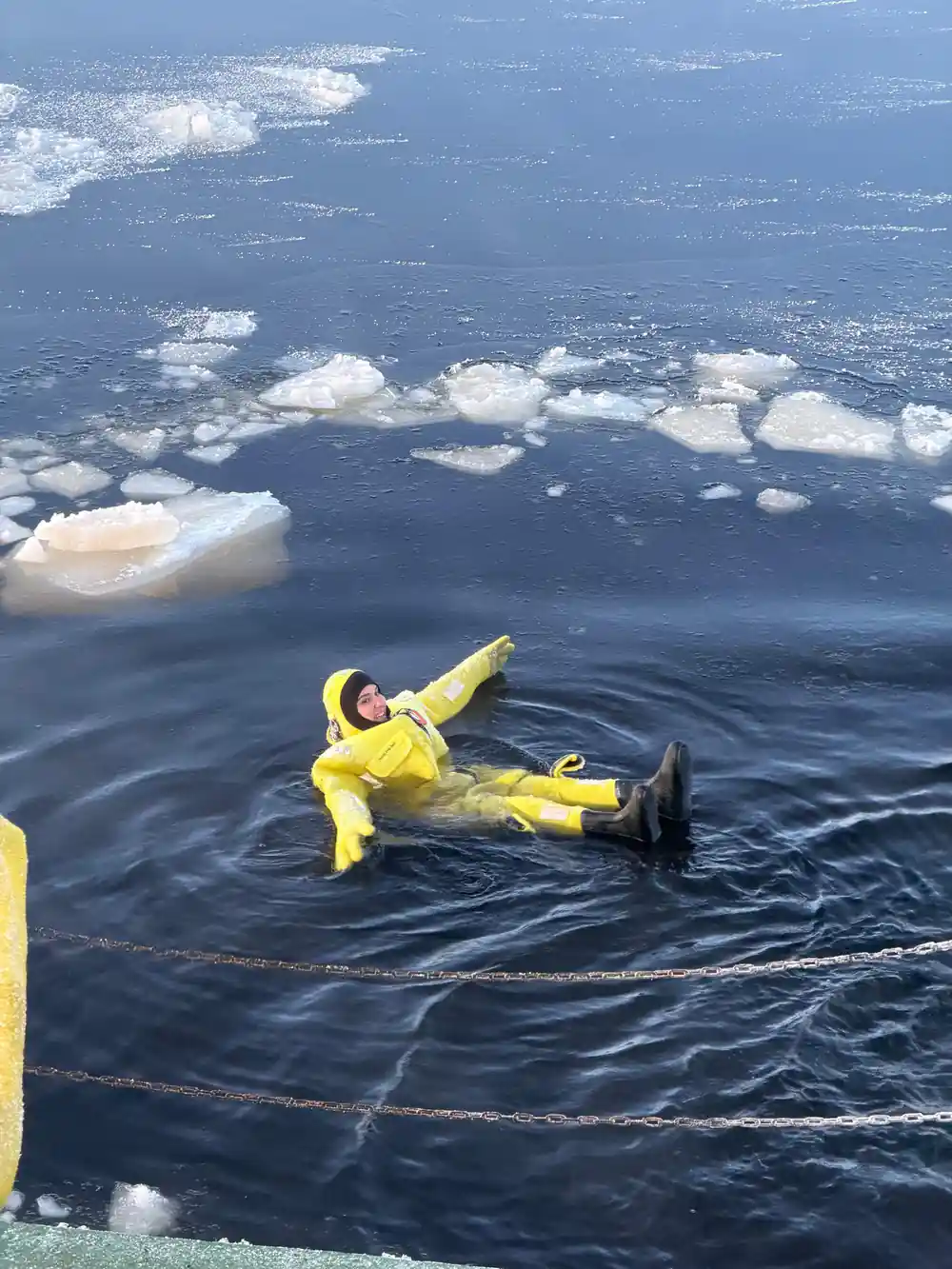
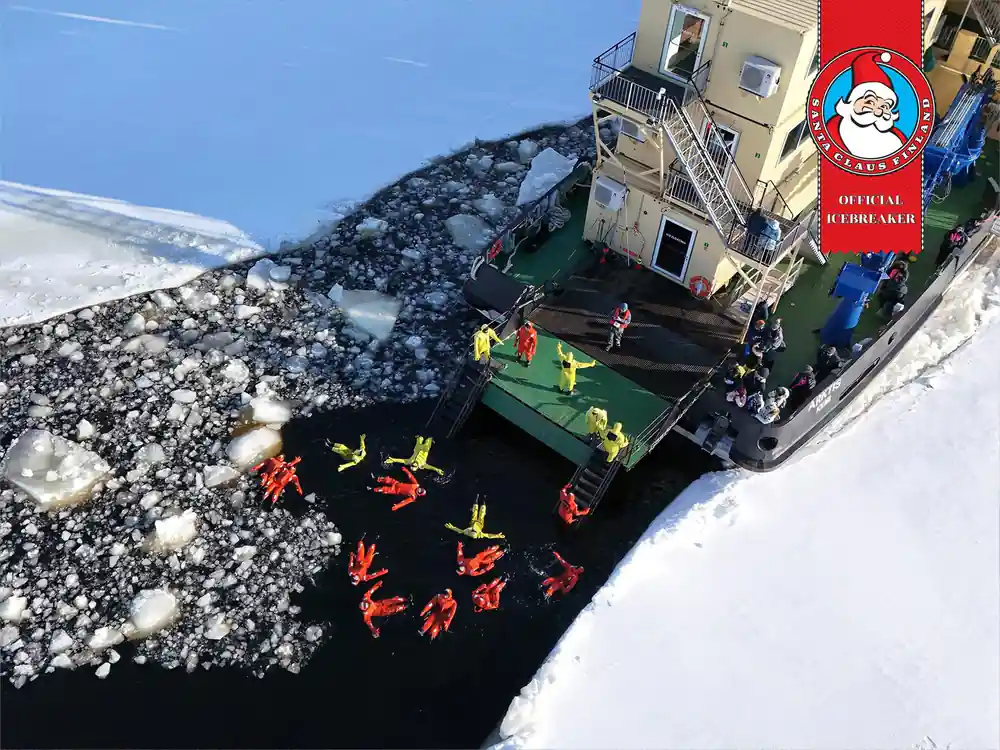
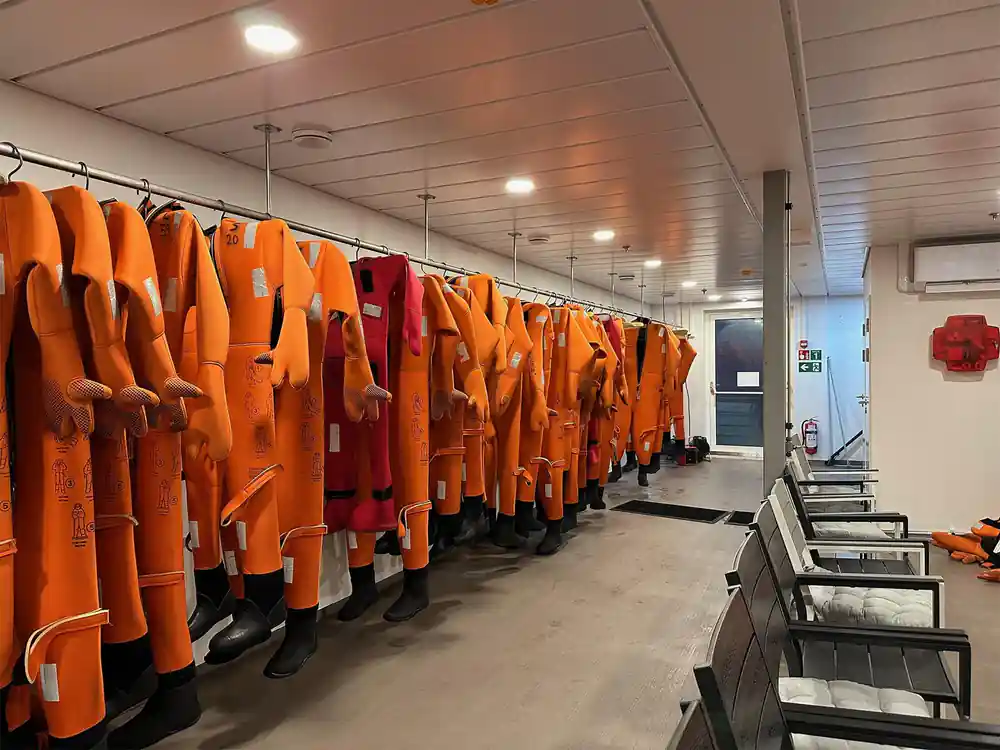
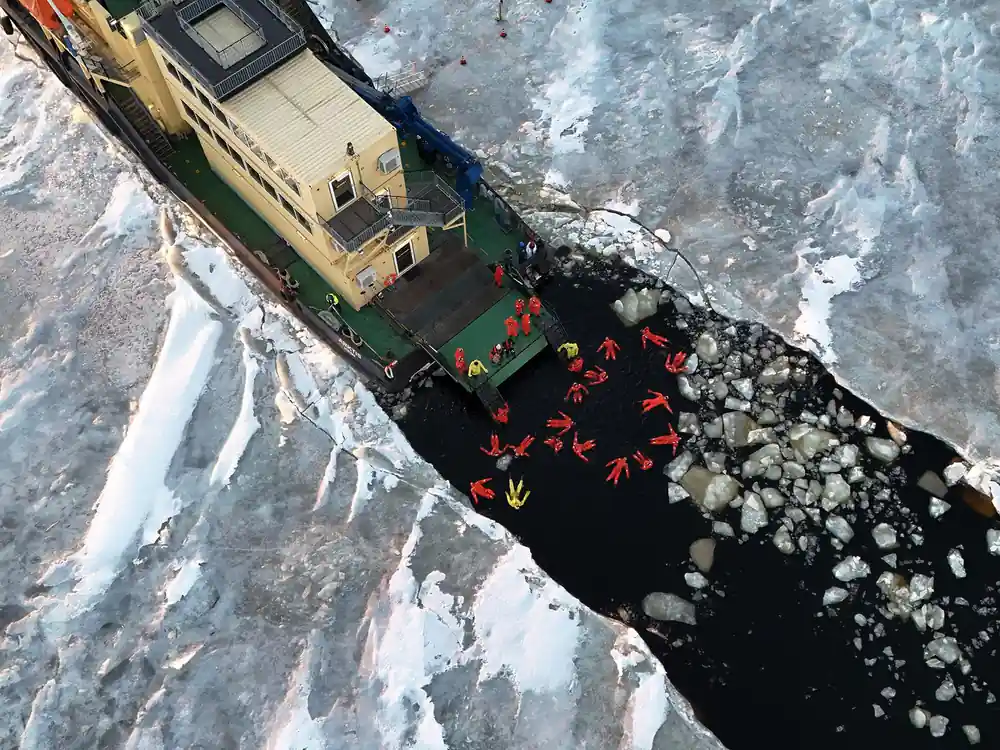
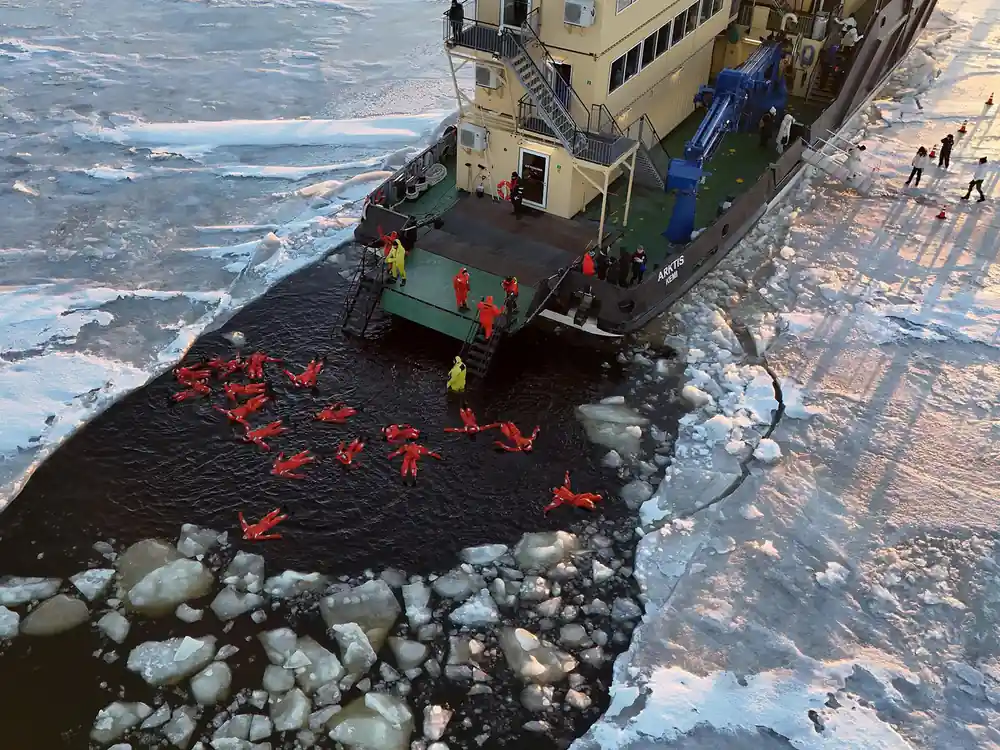
At some point in the three hours you are given a survival suit and put into the sea. The suit is a buoyant, sealed, one-piece thing that goes over your clothes, and it does two jobs: it keeps you afloat without any effort, and it keeps the water off you entirely.
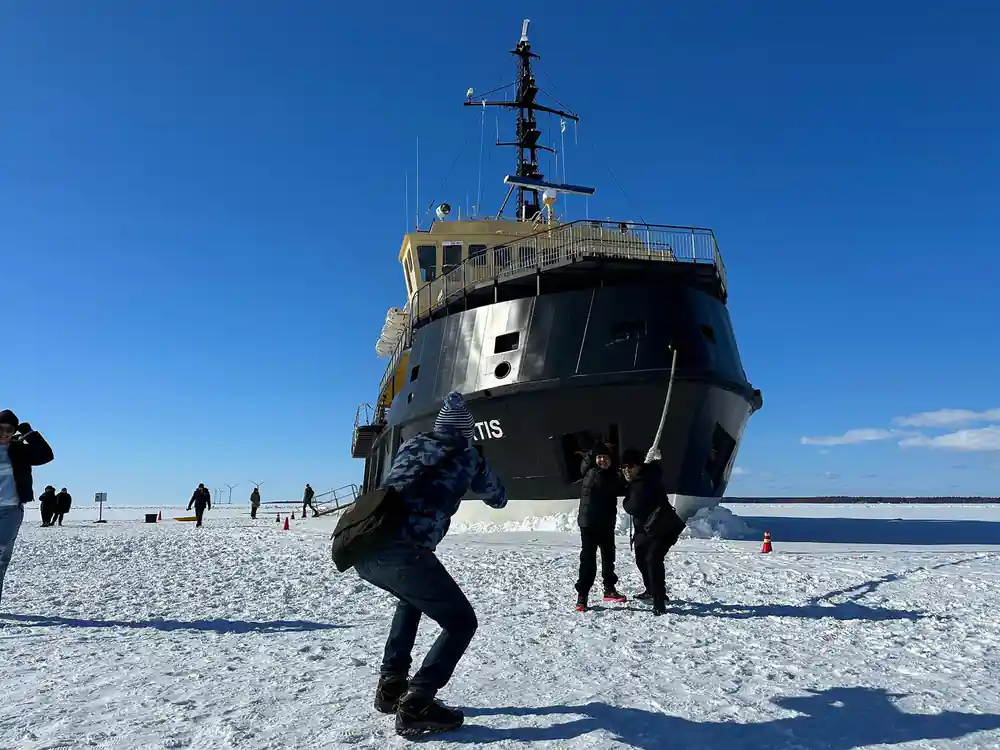
You do not get wet. You do not need to be able to swim. What you do is lie on your back among the broken plates the ship has just made, looking up, with your body temperature untouched by water that is a fraction above freezing.
People describe it as the strangest and most peaceful few minutes of a Lapland trip, and they describe the first ten seconds as considerably less peaceful than the rest. There is a minimum height of a hundred and forty centimetres for the activity, and anyone who would rather not can stay aboard.
The SnowCastle, and the harbour
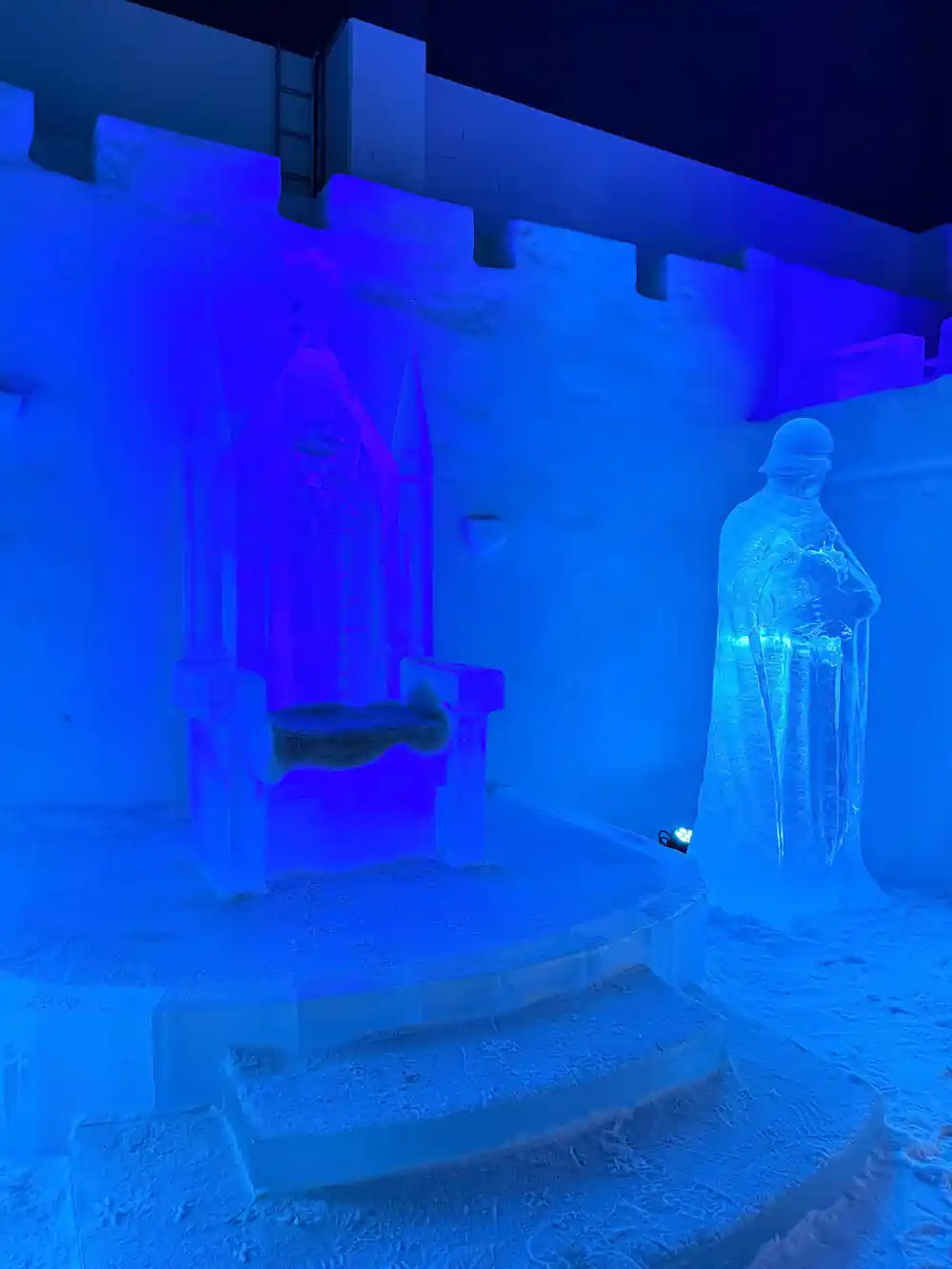
Kemi has built a castle out of snow every winter since 1996, beside the harbour the icebreaker sails from, and it is rebuilt to a completely new design each year before melting in spring.
Inside there is an ice hotel, a chapel that people genuinely marry in, and a restaurant where the tables are ice. The tour visits the area, and the SnowExperience attraction and the Gemstone Gallery are available separately at the reception if you want more of it.
It is a strange and rather wonderful thing to find attached to a working industrial port, and it makes the four hours that are not on the ship considerably better than they would otherwise be.
What the day actually contains
Pickup at one of four points in Rovaniemi. The coach south. The harbour area and the SnowCastle. Boarding. Three hours out on the ice, with the floating somewhere in the middle of it. Then the coach back, arriving in Rovaniemi about ten hours after you left.
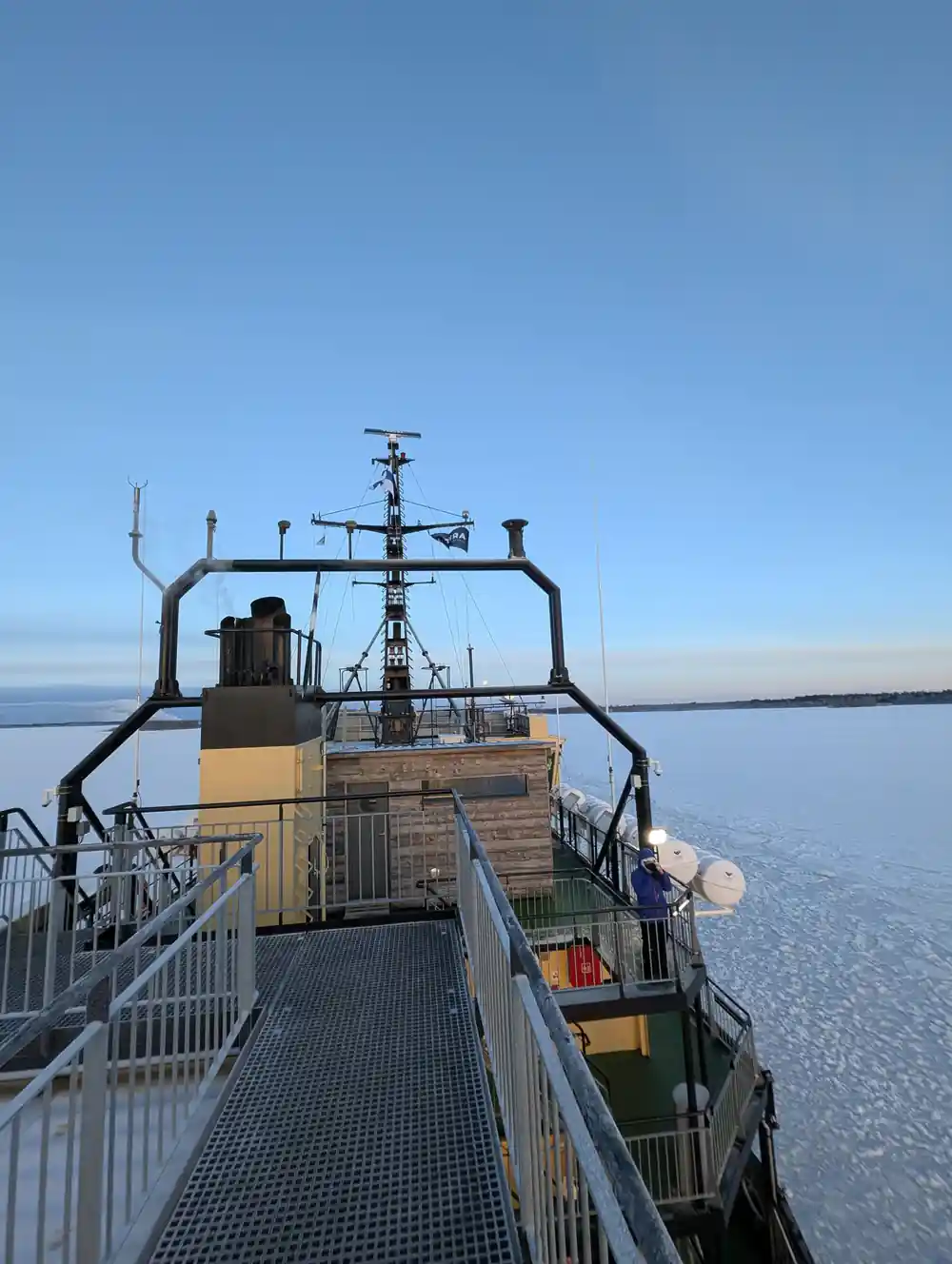
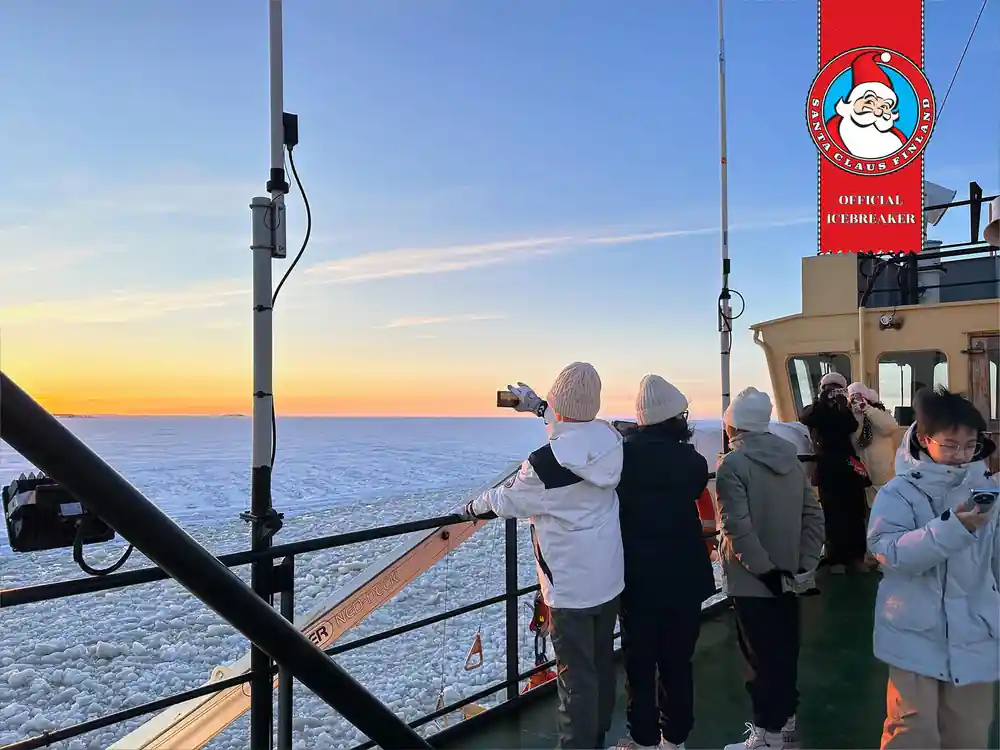
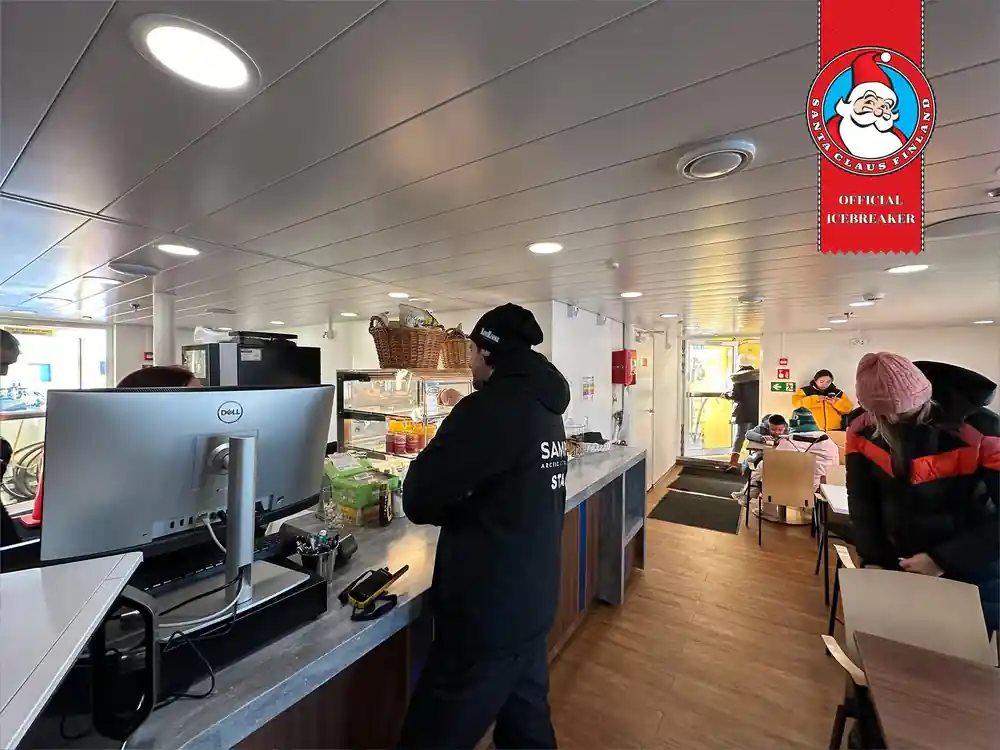
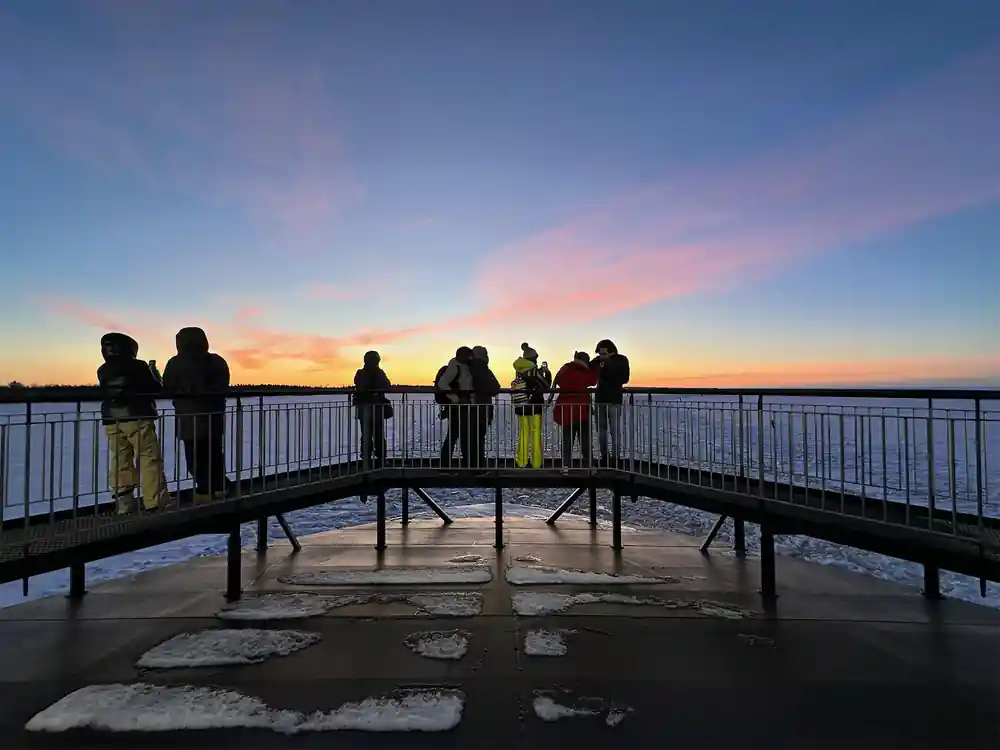
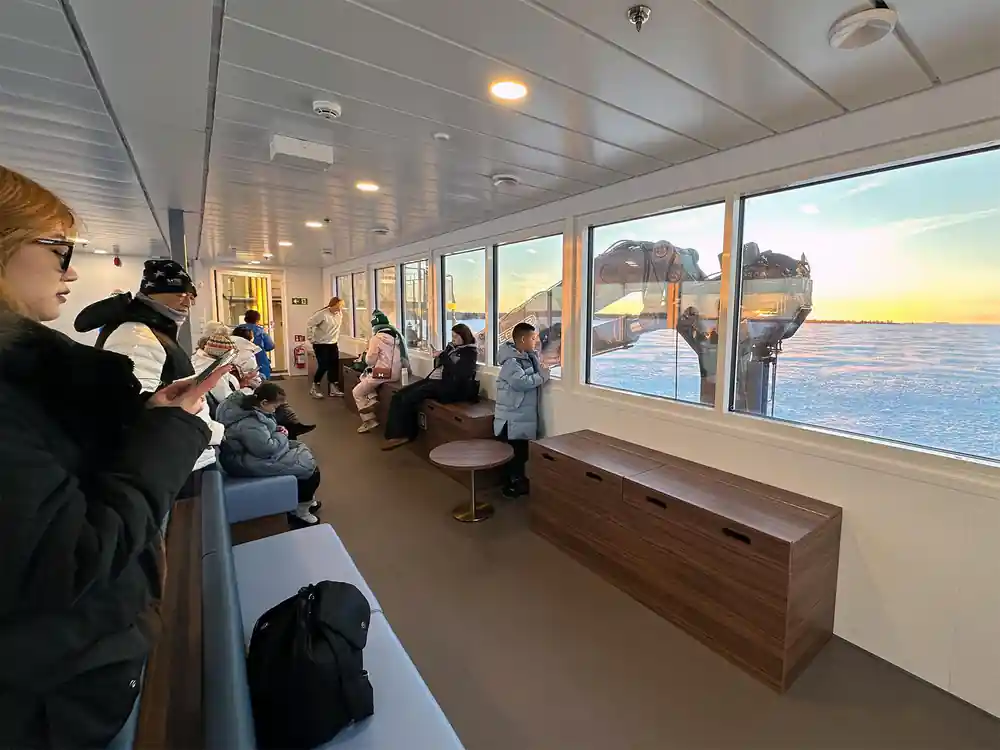
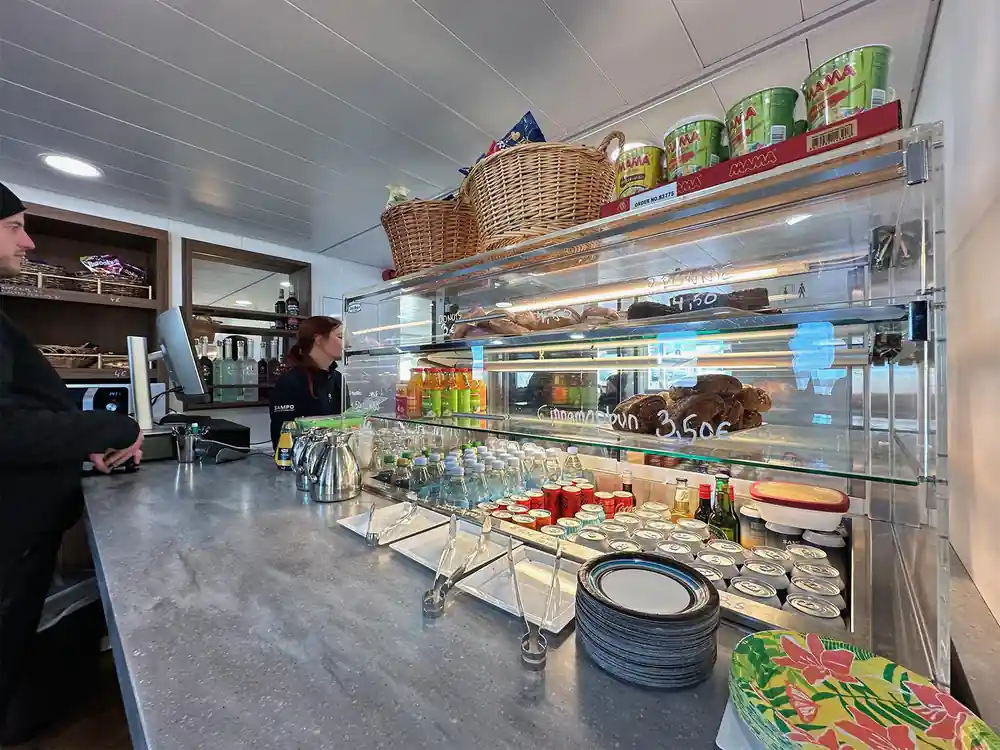
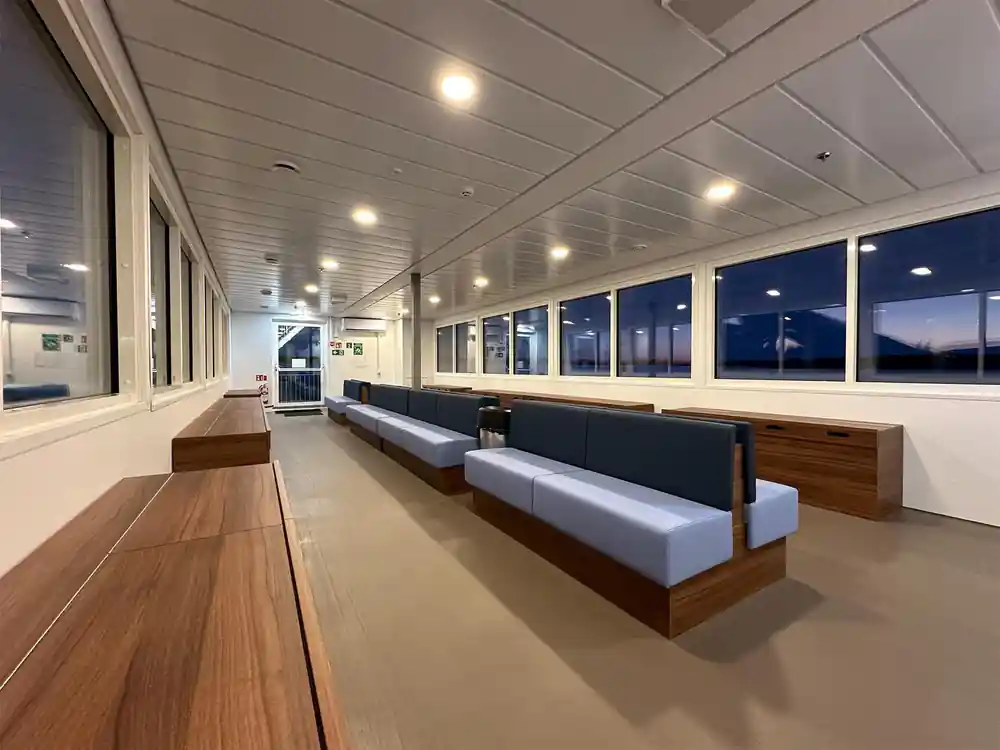
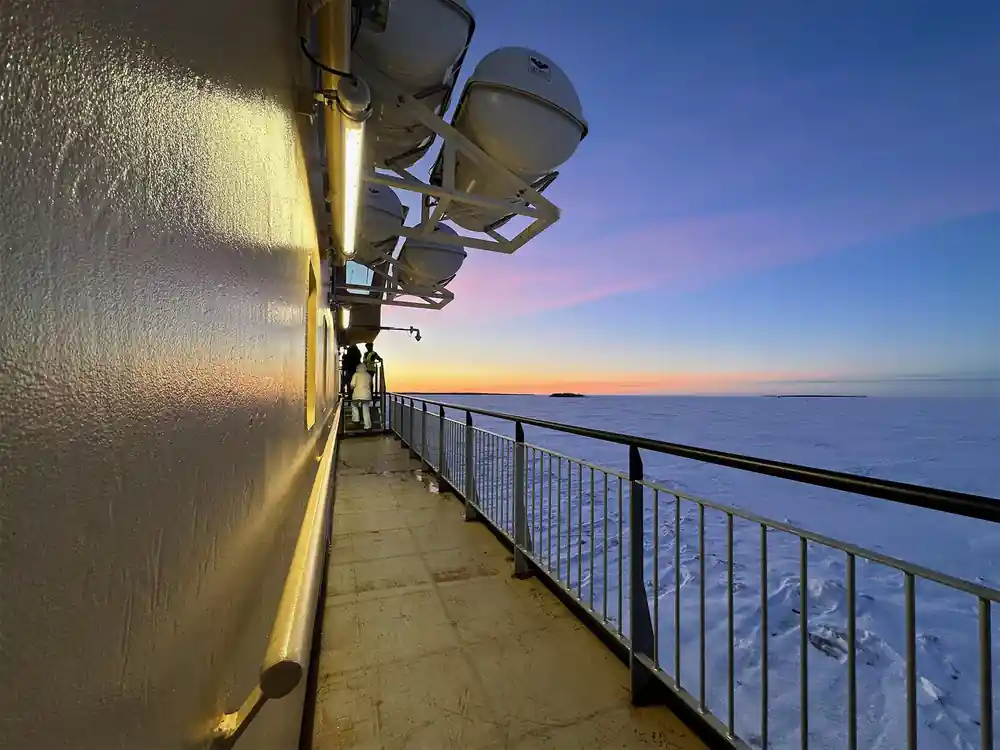
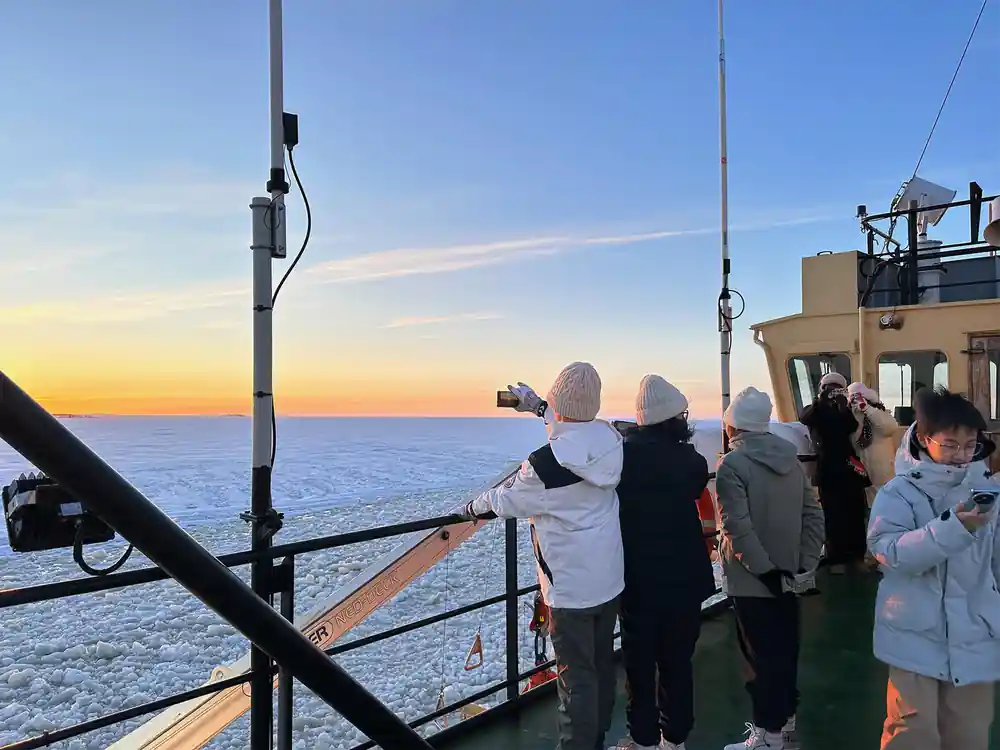
On board there are two heated indoor decks and a cafe with arctic views, so the cold is a choice rather than a condition. You go out on deck when there is something to see and come back in when there is not.
A lunch buffet at the restaurant can be added in advance, and on a ten-hour day it is worth considering. Everybody leaves with a certificate of participation, which is the sort of thing that sounds like nothing and ends up on a wall.
Who this suits, and who it does not
It suits anyone who wants to do something in Lapland that cannot be done in very many places on earth. There are only a handful of tourist icebreakers in the world and this is one of them.
It suits it less well if you are short of time. Ten hours is most of a day and seven of them are not on the ship, and a visitor with three days in Rovaniemi has to weigh that seriously.
And it carries two firm restrictions. The operator will not take passengers whose mobility is limited, and ice floating requires a minimum height of a hundred and forty centimetres. Both are worth checking before booking rather than at the gangway.