The essentials
- Not a replica or a themed boat. A vessel of the kind that keeps Finnish ports open through the winter.
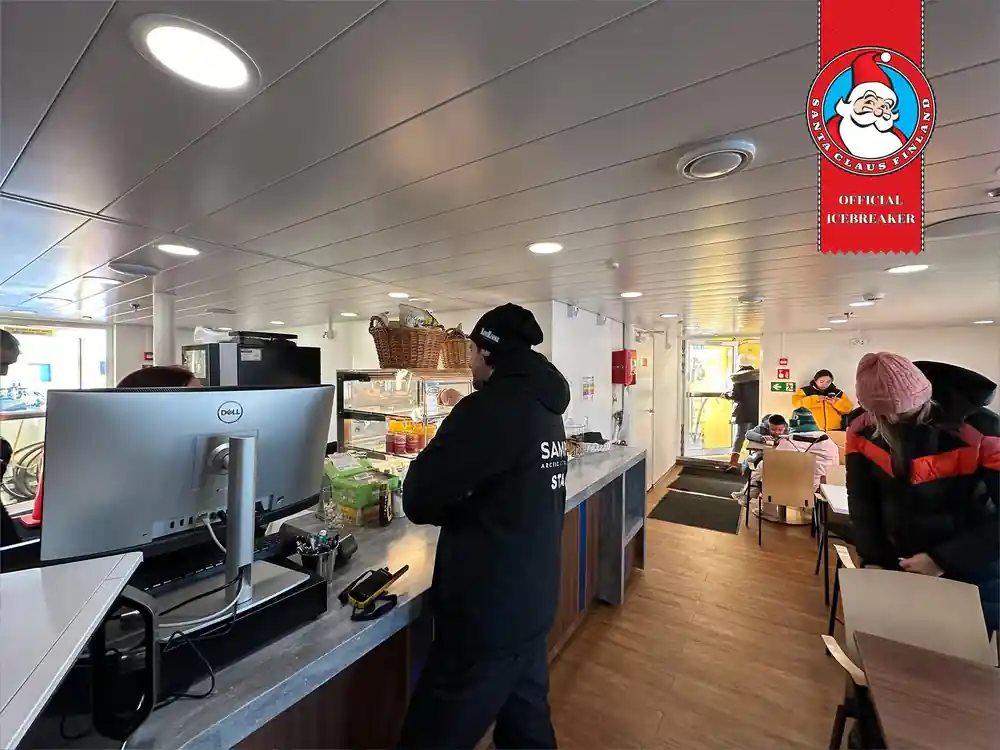
- Plus a cafe with views over the ice, so time outside is a choice rather than an endurance test.
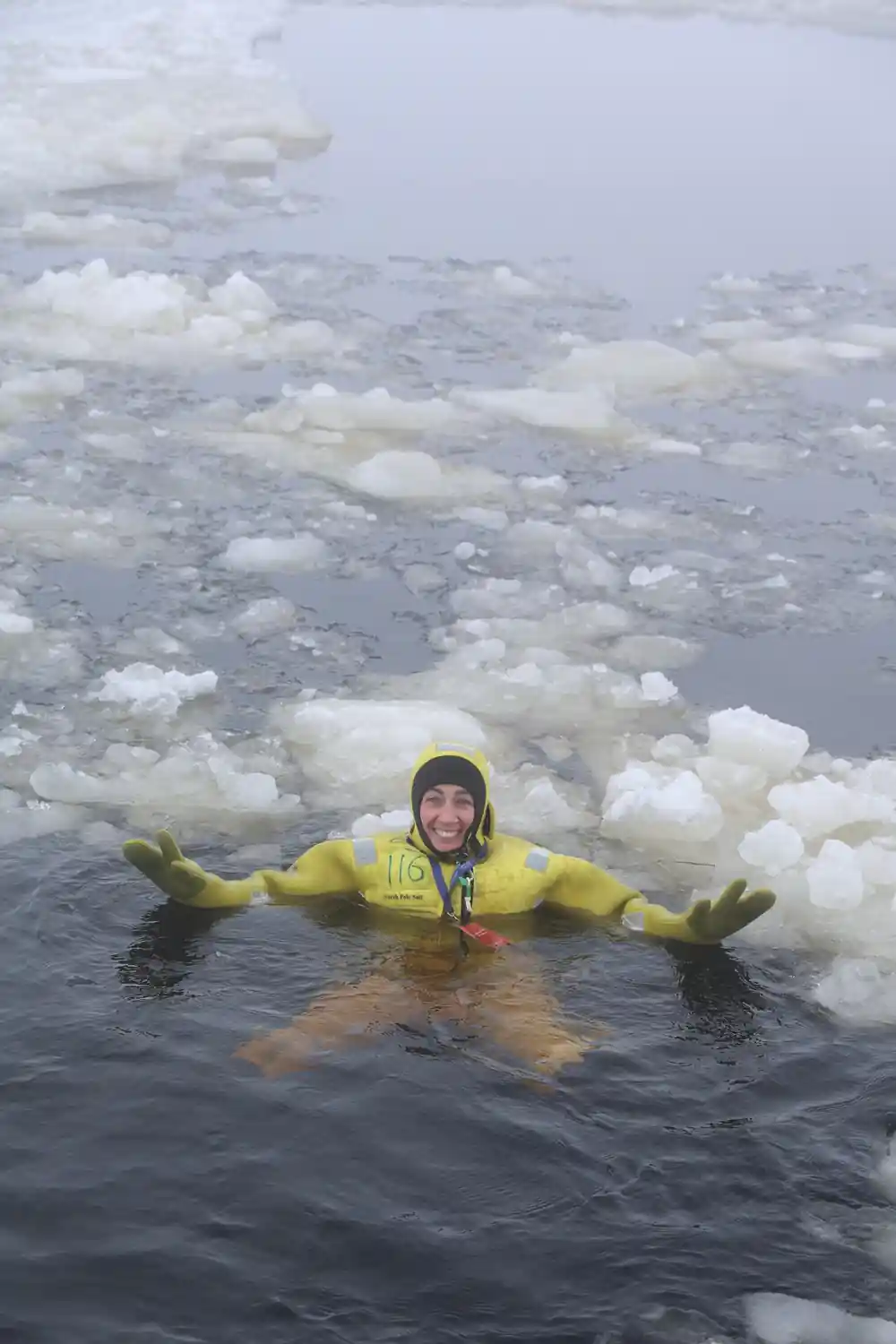
- Inside a ten-hour day. The ice floating happens partway through it.
- A completion certificate, which sounds like nothing and is on a great many walls.
What kind of ship this is
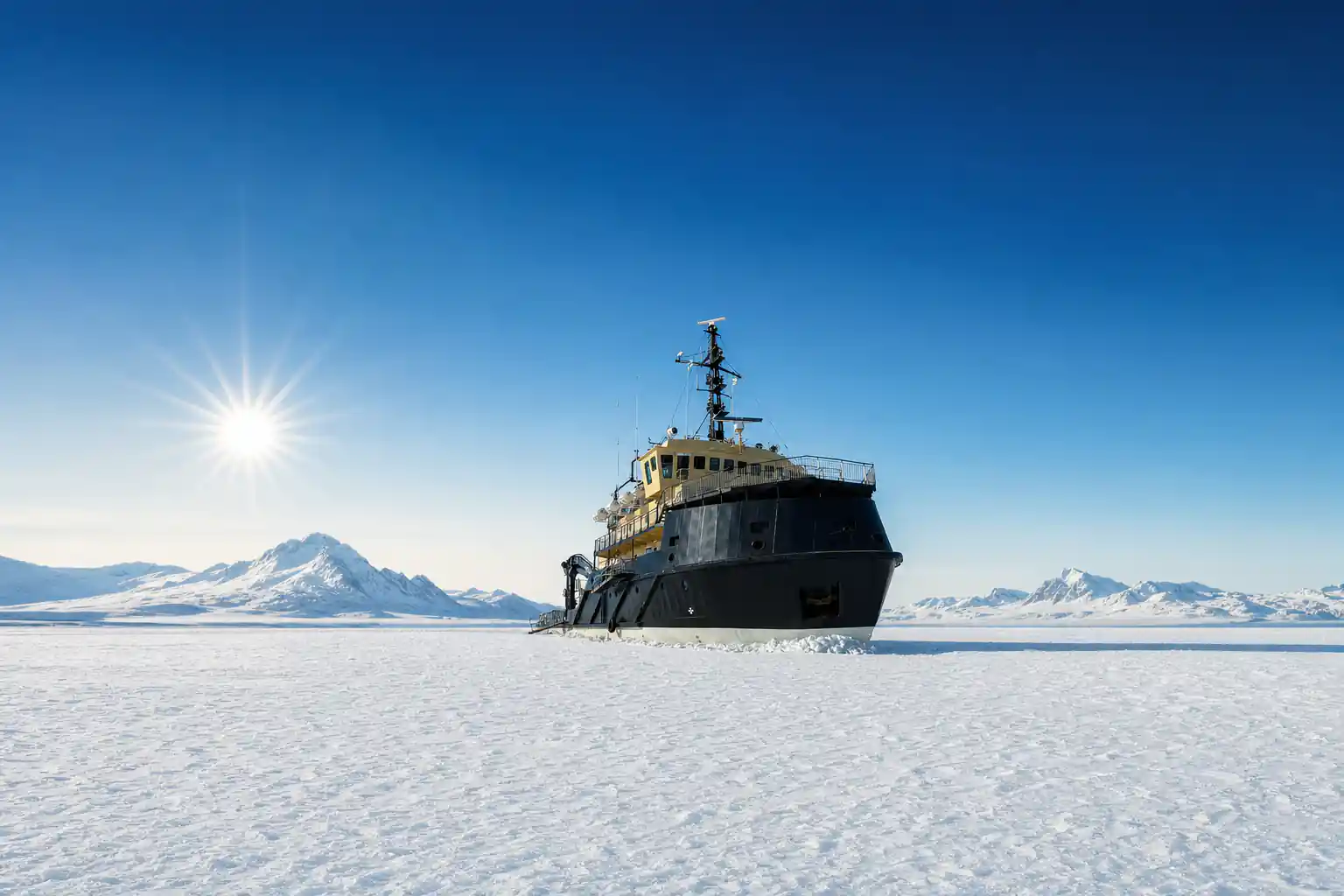
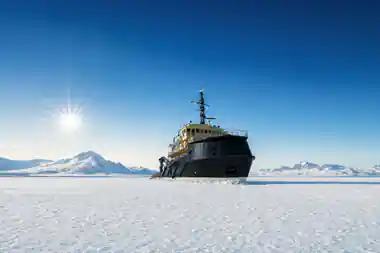
Arktis is an icebreaker rather than a boat dressed as one, and that distinction is the whole product. Finland runs one of the most experienced icebreaking operations in the world because it has to: the ports along the Gulf of Bothnia would close for months every winter without it, and a country that depends on sea freight cannot allow that.
What you board is a vessel built for that work. It is heavy for its size, powerfully engined, and reinforced along the waterline where the ice does its damage. Nothing about it is delicate.
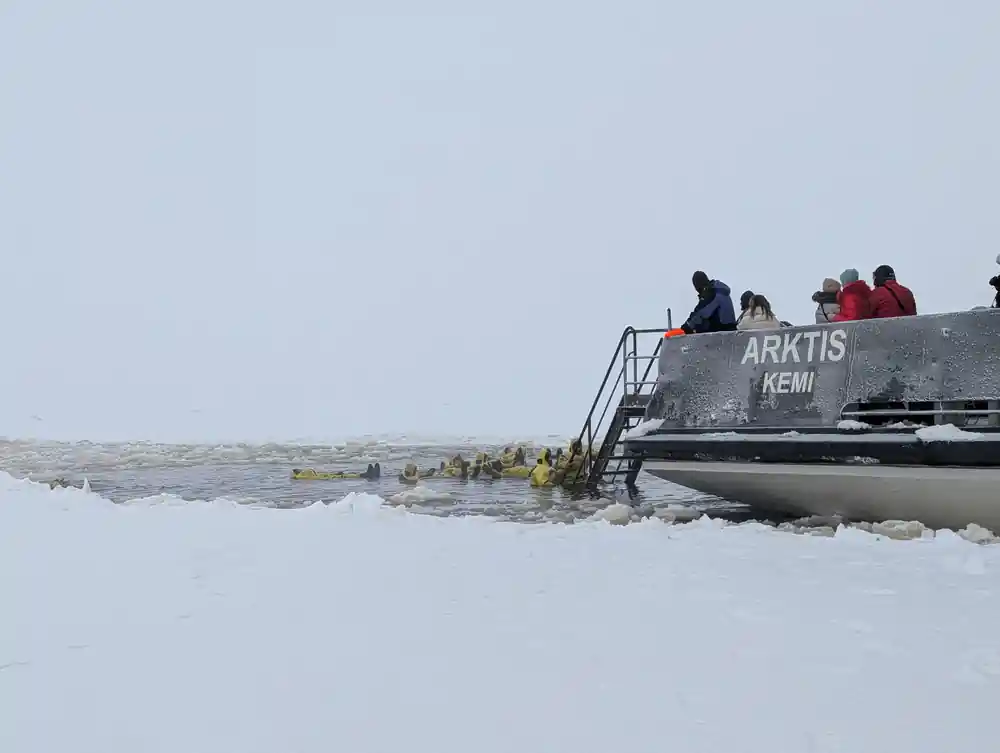
The cruise itself is a commercial passenger operation rather than an escort run, but the ship and the sea are the real things, and the ice it goes through is the ice that is there.
It is worth understanding what that fleet is for. Finland is unusual in that every one of its major ports freezes, so the country cannot simply route winter freight to an ice-free harbour the way Norway or the Netherlands can. Keeping the Gulf of Bothnia navigable is therefore a national logistics problem rather than a regional inconvenience, and it is solved by ships like this one working through the winter.
On board
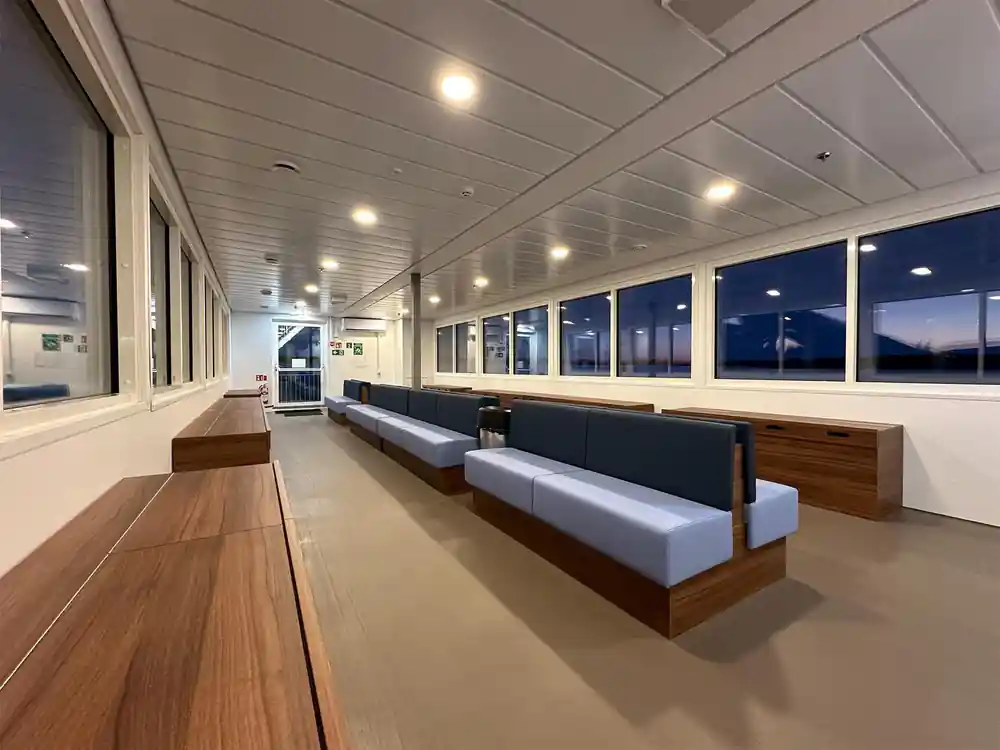
Two indoor decks, heated, with a cafe serving hot drinks and food and windows out over the ice. This matters more than it sounds. A three-hour cruise in an Arctic January would be a test of endurance on an open boat; here the cold is entirely optional.
The pattern most passengers settle into is simple: go out when something is happening, come back in when it is not. Something is happening more often than you would expect, because the ship is working the whole time.
The cafe is adequate for a hot drink and a snack. On a ten-hour day it is worth considering the lunch buffet at the restaurant ashore, which is bookable in advance.
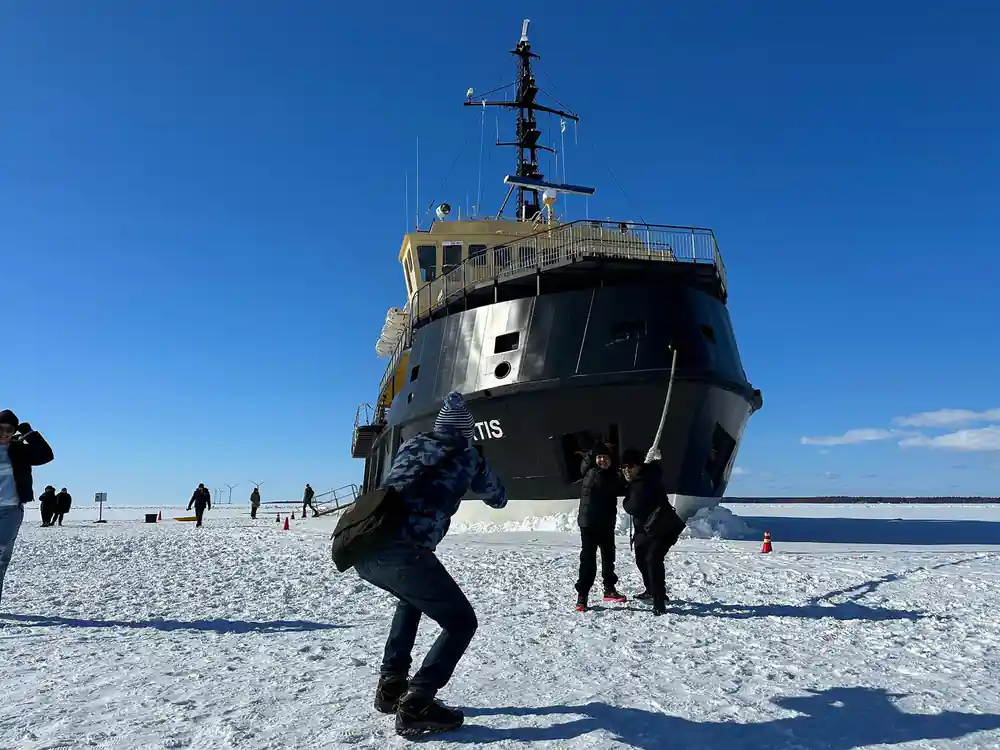
The hull in a channel of overturned ice plates
Out on deck
You can go outside, and you should. The experience of an icebreaker is not visual so much as physical, and behind glass you get half of it.
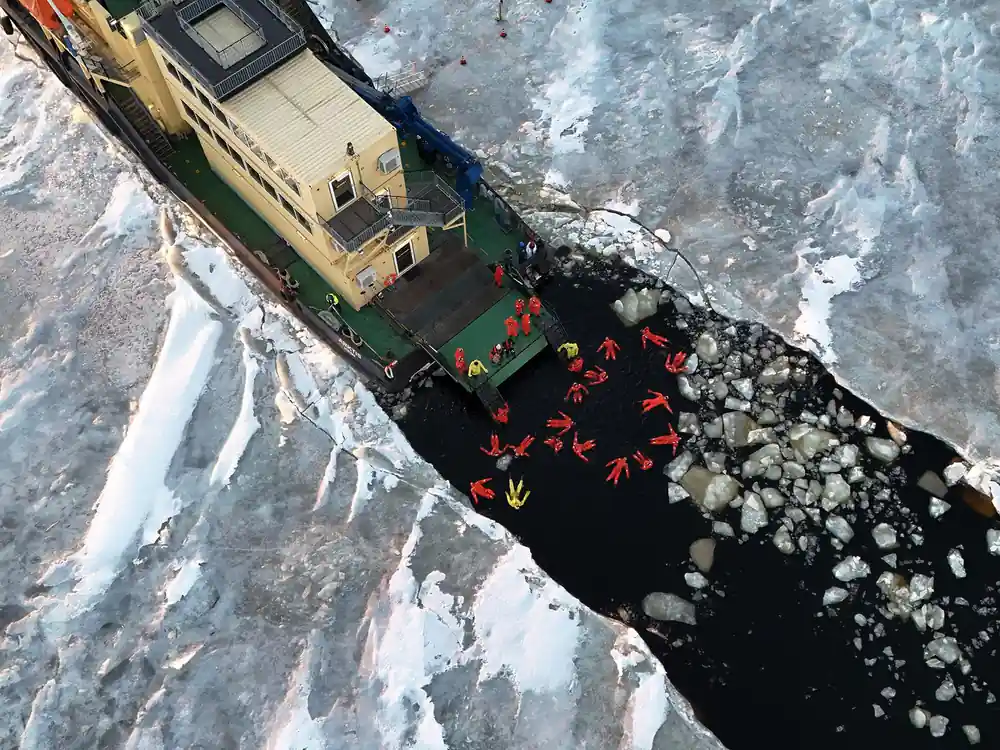
From the deck you can see the sheet ahead, unbroken and apparently solid to the horizon, and the channel behind, full of overturned plates a metre across with sea water black between them. The sound comes up through the hull rather than through the air.
Dress for it. The deck is exposed, the ship generates its own wind, and this is a coast where January averages minus five by day and minus fifteen at night. Ten minutes outside is fine; an hour needs proper clothing.
There is also a particular quality to the light out there that is hard to convey and easy to underestimate. In January the sun barely clears the horizon on this coast, so the ice takes colour from a sky that is doing something extraordinary for most of the short day: pink, then gold, then a long blue that lasts hours. The photographs people bring back from the deck are almost always better than they expect.
The certificate
Everyone leaves with a completion diploma. It is a small thing and it is included, and the number of people who photograph it suggests it lands better than the description implies.
It is the sort of souvenir that works because it attaches to something genuinely uncommon. There are only a handful of icebreakers in the world that take passengers, and of those only a few sit in a sea that reliably freezes.
Children in particular treat it seriously, which is worth knowing if you are travelling with any.
3 h
The length of the cruise itself. The rest of the ten-hour day is the coach south from Rovaniemi, the harbour, the snow castle and the road home.
How it compares with the other ships
The Bothnian coast has more than one icebreaker taking passengers, and they are genuinely different products at different harbours with different day lengths. Comparing them properly means comparing the cruise length, what is included, and how far you have to travel to reach the quay.
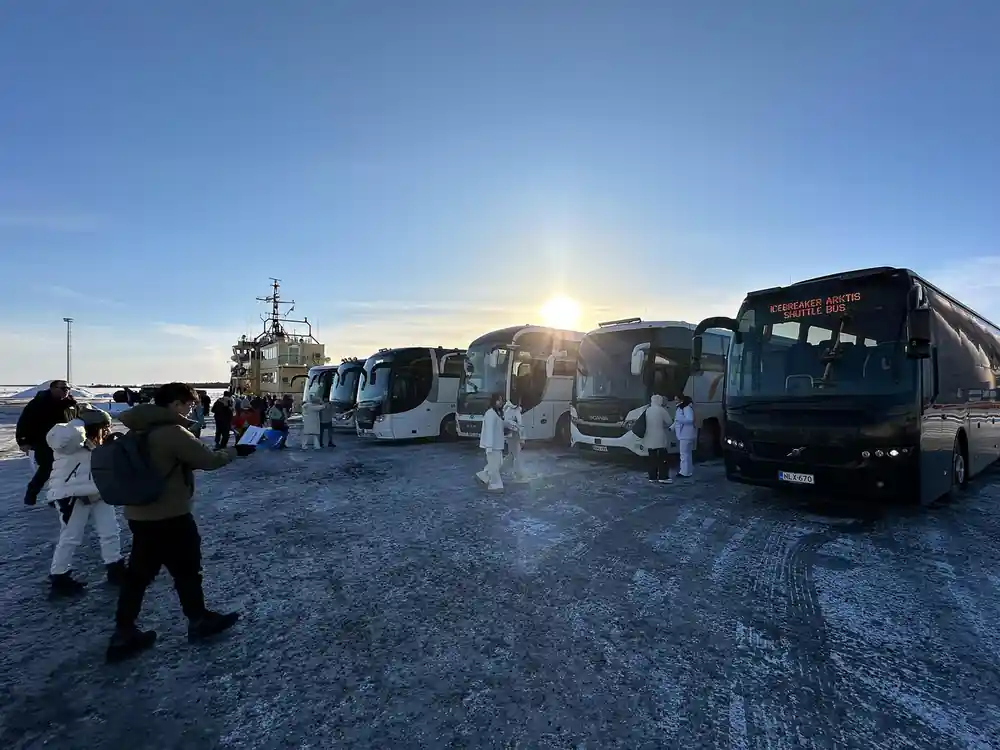
What this booking gives you is the coach from Rovaniemi in both directions, which is the part that otherwise turns a ship visit into a logistics exercise for anyone without a car.
It also gives you the ice floating as part of the ticket rather than as an add-on, which is not universal.
The other real variable is what is included. A cruise that carries the ice floating inside the ticket, provides the suit, and puts a coach at both ends of the day is a different proposition from one that sells each of those separately, and the comparison only works if you check what each ticket actually contains rather than the headline duration.
When the ship runs
The season follows the ice. The Bothnian Bay freezes through the winter and cruises run while it does, which in a normal year means from around Christmas into April.
At the edges it depends on the year. Early in the season the ice may be thin enough that the ship is working easy ground; late in the season it can be soft. The best of it is the deep middle of the winter.
Departures run morning and afternoon, and the timetable is published for the season. Which you take changes the day considerably in December, when there is very little light either side of noon.
What to expect of the crew
Professional rather than theatrical. This is a working vessel operated by people who work ships, and the commentary tends to be practical: what the ice is doing, what the ship is doing about it, and what happens next.
They will answer questions and they are worth asking. How thick is it today. How much power is she using. What happens if she gets stuck.
The answers are usually more interesting than any prepared script would be, which is the general rule on this coast.
A working icebreaker, three hours, coach included
from US$473Reserve now & pay later